| Latest Innovations | |
| Chemical Guys News | |
| Exterior How-To's | |
| Interior How-To's | |
| Drying How-To's | |
| Ceramic How-To's | |
| Detailing University |

Key Takeaways:
- Clean Regularly: A dirty undercarriage traps salt and moisture that quietly corrode your frame and brake lines.
- Protect Sensitive Parts: Keep high-pressure water away from electrical connectors, sensors, and grease fittings while cleaning.
- Seal After Cleaning: Applying an appropriate rust inhibitor or underbody protectant can help slow future corrosion, though it does not permanently prevent rust.
A dirty undercarriage is where rust quietly wins if you ignore it. Out of sight, out of mind—until brake lines fail or your frame starts flaking. Corroded brake pipes and frame components can affect braking and crash risk, which is why maintenance matters.
At Chemical Guys, we've spent years formulating pro-grade car care and teaching enthusiasts how to protect every inch of their ride, including the parts nobody sees. The undercarriage takes the worst abuse on the road, so it deserves the same attention as your paint.
In this piece, we'll cover what the car undercarriage is, the signs it needs cleaning, the gear you need, and a safe step-by-step method to clean and protect it.
Understanding Your Car's Undercarriage
Your undercarriage is everything beneath the vehicle: the frame, floor pan, exhaust system, suspension, brake lines, fuel lines, and driveline. It's a mix of coated steel, bare metal, rubber bushings, and sensitive electrical connectors.
Because it sits inches from the road, it collects mud, tar, brake dust, and road salt daily. That grime holds moisture against metal, which is exactly how rust starts. Understanding the layout helps you clean aggressively where it's safe and gently where it's not.

Signs Your Undercarriage Needs Cleaning
Your car usually tells you when the undercarriage is overdue for attention. Watch for these red flags.
Visible Rust or Flaking
Orange spots, surface rust, or flaking metal on the frame or suspension mean corrosion has already started and needs cleaning before it spreads.
Caked Mud and Debris
Thick mud, packed leaves, or dried salt buildup traps moisture and adds weight—both bad news for exposed metal.
Bad Smells or Noises
A rotten or burnt odor can signal trapped organic debris, while new squeaks may point to grime interfering with suspension components.
Winter or Off-Road Driving
If you drive through snow, on salted roads, or on muddy trails, assume your undercarriage needs cleaning far more often than a garage-kept car does. A car with a dirty undercarriage is especially common after winter months, when road salt and packed debris accumulate fast.
What You'll Need To Clean Your Car Undercarriage Safely
The right tools make undercarriage detailing faster and safer for both you and the vehicle. Here's the essential kit.
Cleaning Products
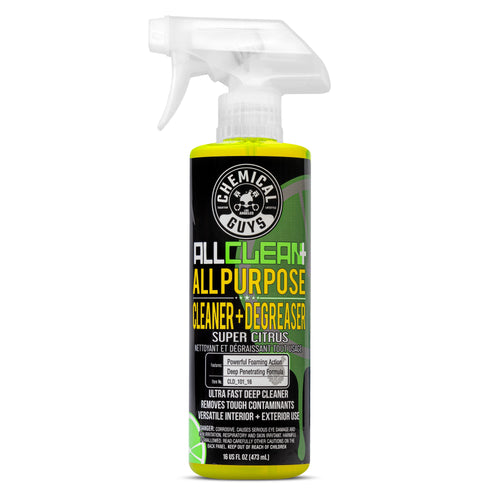
A degreaser cuts grease and tar, while an all-purpose cleaner handles general grime. Our pick for cutting through baked-on buildup is the Best Engine Cleaner, which tackles grease, road film, and brake dust on contact.
Tools and Brushes
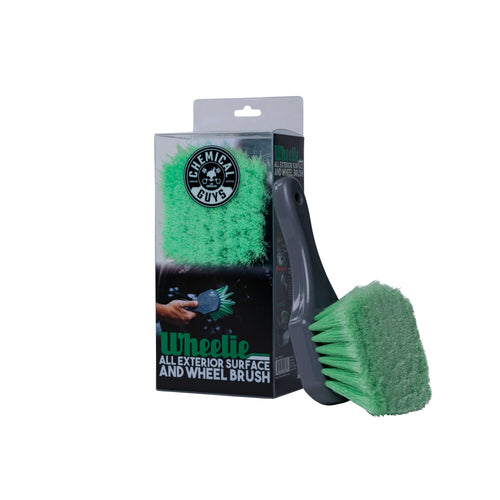
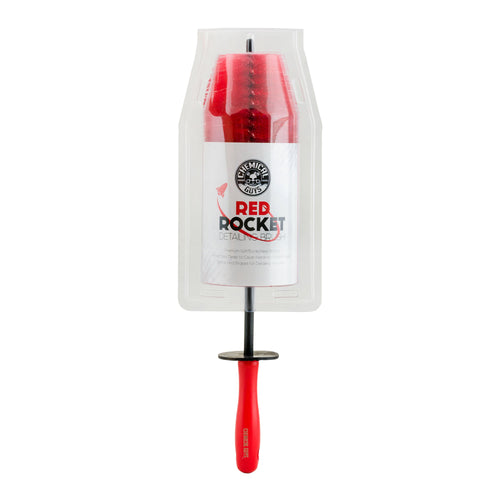
Long-handled brushes, stiff detailing brushes, and a wheel-well brush let you reach deep spots. For blasting out packed debris, Pressure Washer Kits deliver a controlled, high-powered rinse that a standard hose can't match.
Safety and Access Gear
Safety glasses, gloves, and old clothes help protect you. Jack stands or ramps give you safe clearance; never rely on a jack alone.
Protection Products
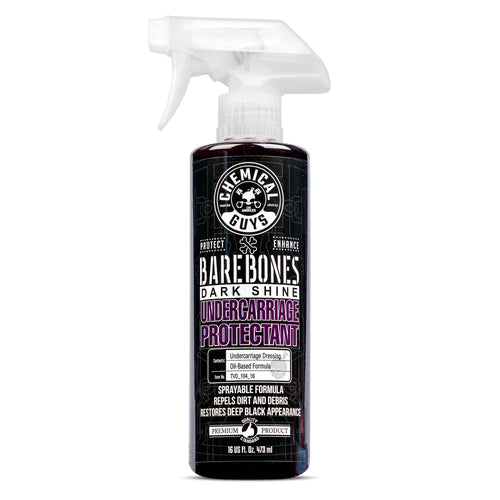
Finish the job with a rust inhibitor, undercarriage spray, or protectant to seal clean metal and help slow future corrosion.
How To Detail Undercarriage Areas Without Damaging Parts
Cleaning power is only helpful when it doesn't wreck sensitive components. Detail smart, not just hard.
Avoid Sensitive Components
Keep high-pressure water away from electrical connectors, sensors, wiring harnesses, and the alternator. High-pressure water may force water into electrical connectors, sensors, seals, or grease points, so use moderate pressure and keep the nozzle at a safe distance.
Control Your Pressure
Use moderate pressure and keep the nozzle at a distance. Excessive pressure or close-range spraying can damage coatings, rubber parts, seals, or greased joints; use moderate pressure and avoid direct blasts at vulnerable components.
Work in Sections
Clean one zone at a time—front, middle, rear—so you can rinse thoroughly and check your progress without letting degreaser dry on the surface.

Step-by-Step: Cleaning Rust and Grime From a Car's Undercarriage
Here's the safe, repeatable process for cleaning a car's undercarriage, from loose grime to surface rust.
Step 1: Lift and Secure
Raise the vehicle on ramps or jack stands on level ground, so you have safe, clear access underneath. Never rely on a jack alone.
Step 2: Rinse Loose Debris
Hose or pressure-wash from front to back to knock off mud, leaves, and loose dirt before applying any product.
Step 3: Apply Degreaser
Spray degreaser or all-purpose cleaner onto greasy, grimy areas and let it dwell for a few minutes; don't let it dry.
Step 4: Agitate and Scrub
Work brushes into the frame, seams, and dirty zones to lift stubborn grime and loosen light surface rust.
Step 5: Treat Surface Rust
For rust spots, scrub the area, remove any flaking, and rinse thoroughly so the bare metal is ready for protection.
Step 6: Final Rinse
Rinse every section thoroughly to flush away all product, salt, and loosened debris.
Tackling Tough Spots Like Wheel Wells And Suspension Parts
Wheel wells and suspension components hide the heaviest grime and take the most creativity to clean.
Wheel Wells
Spray them down with cleaner, then use a wheel-well brush to scrub the liner and metal edges where salt and mud pack in tightly.
Suspension and Control Arms
Use detailing brushes to reach around springs, control arms, and bushings. Be gentle near rubber components and avoid blasting grease from joints.
Exhaust and Frame Rails
Degrease and scrub tar and road film off exhaust piping and frame rails, working the brush into welded seams where debris collects.
Drying And Protecting Your Undercarriage After Cleaning
Cleaning is only part of the job; drying and applying appropriate protection can help reduce the chance of rust returning, though they do not guarantee permanent rust prevention.
Dry Thoroughly
Use compressed air or let the car sit to fully dry. Trapped water in seams and crevices defeats the whole purpose of cleaning.
Apply Rust Protection
Coat clean, dry metal with a rust inhibitor or underbody protectant to help block moisture and slow future corrosion; choose products according to vehicle condition and manufacturer guidance.
Reapply Seasonally
Refresh your protection ahead of winter and after heavy off-road use to keep the barrier intact year-round.

Final Thoughts
A clean car undercarriage is about protecting the parts that keep you safe and your vehicle on the road for years. Rinse loose debris, degrease, and scrub carefully around sensitive components, then dry and seal for lasting rust protection. Do it regularly, especially through winter, and you'll help slow corrosion before it starts. With the right products and a little routine, undercarriage detailing becomes an easy part of your car care game.
Frequently Asked Questions About How To Detail A Dirty Undercarriage
How often should I clean my car's undercarriage?
For normal driving, clean as needed when dirt, mud, or grime accumulates. During snow season or after salt exposure, a monthly undercarriage wash, or more often when heavily coated with salt, is recommended to flush out corrosive salt and grime before they damage metal.
Can I clean my car's undercarriage without lifting the vehicle?
Yes, a pressure washer with an undercarriage attachment or an angled wand can rinse much of it without lifting. However, lifting the car on ramps or stands provides much better access for scrubbing stubborn grime and rust.
How do I remove road salt from my undercarriage in winter?
Rinse the entire underside with plenty of fresh water to dissolve and flush salt away. Follow with an all-purpose cleaner on heavy buildup, then dry thoroughly and reapply rust protection to guard against corrosion.
Should I apply undercoating or rust inhibitors after cleaning?
Applying an appropriate rust inhibitor or underbody protectant to clean, dry metal can help slow corrosion, but it does not permanently prevent rust and should be chosen according to vehicle condition and manufacturer guidance. It's especially important in snowy or coastal climates, where salt exposure dramatically accelerates rust formation.
When should I hire a professional for undercarriage detailing?
Hire a pro when you find heavy rust, damaged brake or fuel lines, or lack the tools and lift to work safely. Professionals can inspect, thoroughly clean, and correctly apply protective coatings, which is especially important because corroded brake pipes and frame components can compromise braking and increase crash risk.
How To Clean a Car's Undercarriage?
Lift and secure the car, rinse off loose debris, apply degreaser, then scrub the frame and wheel wells with brushes. Rinse thoroughly, dry completely, and finish with a rust inhibitor to help protect the clean metal.