| Latest Innovations | |
| Chemical Guys News | |
| Exterior How-To's | |
| Interior How-To's | |
| Drying How-To's | |
| Ceramic How-To's | |
| Detailing University |

Key Takeaways:
- Washing Is Not Enough: Clay barring removes bonded contamination embedded in paint pores that no wash can lift from the surface.
- Lubrication Is Non-Negotiable: Without Clay Luber, the clay bar drags across paint, introducing the marring it is supposed to prevent.
- Grade Matters: Matching the clay bar grade to the contamination level determines how efficiently and safely the process works.
Run your hand across a freshly washed car. If it feels like sandpaper rather than glass, your paint has a contamination problem that soap and water cannot resolve. Every drive deposits brake dust, rail dust, and industrial fallout into the pores of your clear coat, bonding so firmly that a wash mitt cannot reach them.
At Chemical Guys, we build our clay bar systems around one principle: clean paint is the foundation on which everything else builds. A wax or ceramic coating applied to contaminated paint bonds more weakly and lasts shorter than it should.
In this guide, we’ll cover what a clay bar does, how to use one correctly, how to choose the right grade, and the mistakes that turn a safe process into a damaging one.
What Is A Clay Bar And Why Does Your Paint Need It
Clay bar car detailing solves a problem that washing alone cannot. Understanding what bonds to your paint changes how you approach decontamination.
What Bonded Contamination Actually Is
Brake dust embeds into the clear coat at high speed. Rail dust and industrial fallout chemically bond in the air. Paint overspray adheres in particles invisible to the eye. Road tar and tree sap bond through heat and UV exposure. None of these sit loosely waiting to be rinsed away. They are physically embedded in the microscopic pores of the clear coat, and only the grabbing action of a clay bar kit pulls them out.
The Plastic Bag Test
After a thorough wash, place your hand inside a clean plastic bag and run it over a dry panel. Clean paint feels smooth like glass. Contaminated paint feels rough and gritty even though it looks clean. That roughness is embedded contamination sitting above the clear coat, and it is why waxes and sealants on untreated paint do not bond or last properly.

What You Need Before You Start
How to use clay bar on car paint safely starts with the right setup. These five essentials make the process effective and paint-safe.
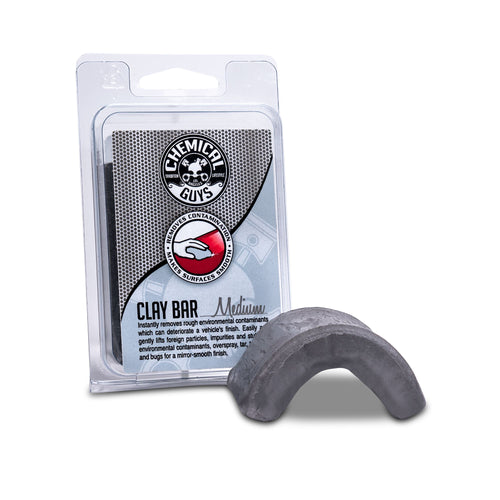
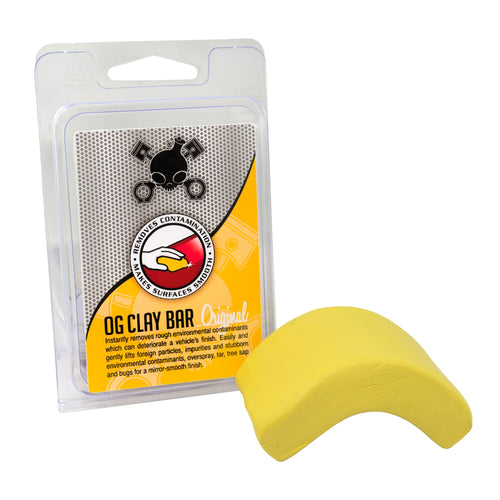
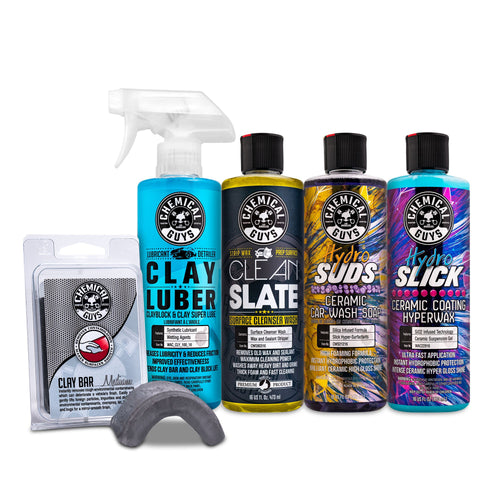
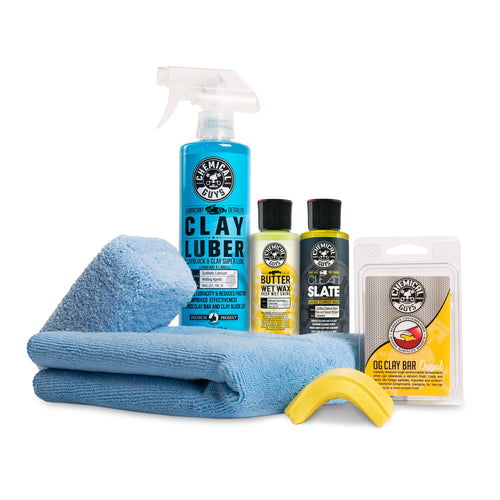
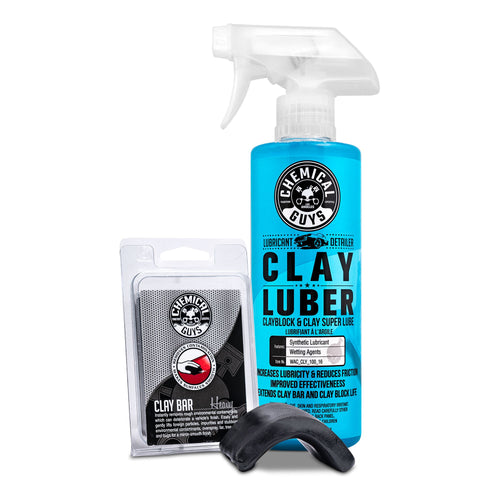
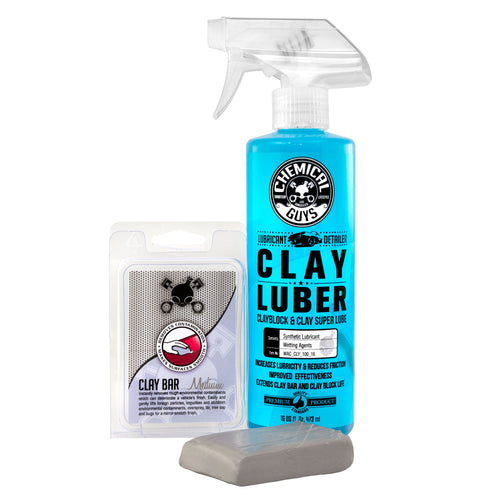
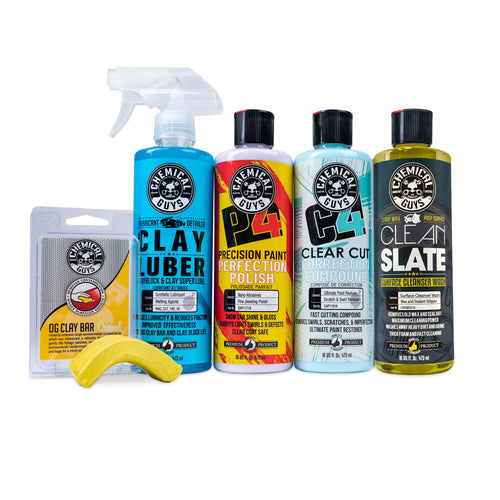
- Clay Bar: Choose the correct duty level for your contamination. Our range covers Light, Medium, and Heavy Duty to match every situation, from recently detailed to heavily neglected paint.
- Clay Luber: Our Clay Luber synthetic lubricant mists onto the surface, creating a slick barrier that lets the clay glide and grab contamination without dragging across the clear coat.
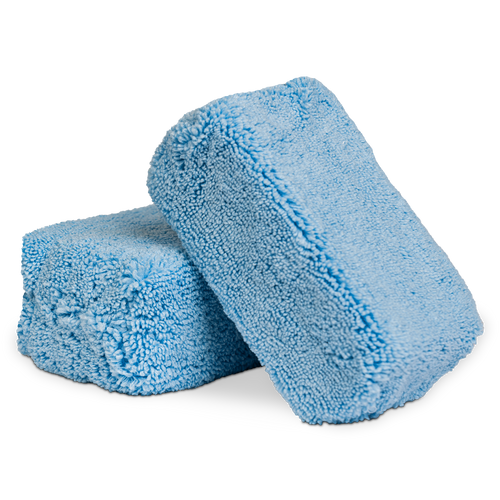
- Microfiber Towels: Dedicated clean towels are needed to buff each section dry after claying, separate from any towels used during washing.
- A Thoroughly Washed Car: Clay, barring a dirty car, drags loose debris across paint. A full wash and rinse comes first without exception.
- Shade Or A Garage: Direct sun causes Clay Luber to flash dry before you finish a section. Working out of direct sunlight gives each area the dwell time it needs.
How To Clay Bar A Car Step By Step
When done correctly, clay bar paint prep follows a specific sequence that protects the paint at every stage.
Step 1: Wash, Rinse, And Dry Completely
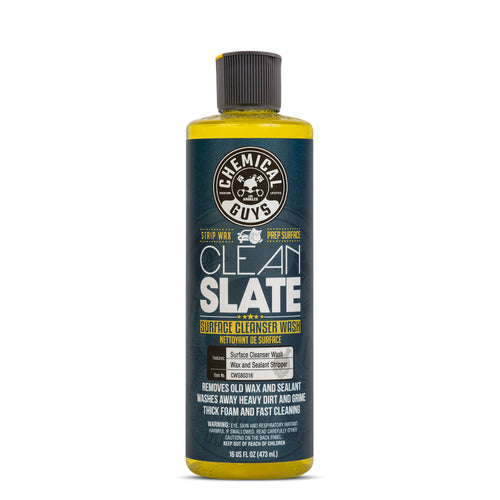
Wash the entire car with a dedicated car-wash soap to remove loose contaminants and surface debris. Rinse and dry completely. Starting clean gives the clay direct access to bonded contamination rather than sliding over loose grime. Soap residue left on the surface interferes with Clay Luber's fit on the panel.
Step 2: Apply Clay Luber And Work The Bar
Break off one-third of the clay bar and form it into a flat, even patty. Mist a two-by-two-foot section generously with Clay Luber; more is better since running dry mid-section is what causes marring. Glide the bar back and forth using light, even pressure in straight overlapping lines. You will feel the clay tugging initially as it pulls contamination from the surface. Continue until the clay glides freely across the section, signaling bonded contamination has been removed.
Step 3: Fold, Buff, And Move On
Buff each completed section dry immediately with a clean microfiber towel. Inspect the clay surface. If soiled, fold it to expose a clean face. When it cannot be folded to find a clean surface, discard it and use a fresh piece. Never continue with a fully contaminated clay bar, as it will redistribute everything it has already removed.

Which Clay Bar Grade Is Right For Your Paint
Our Clay Bars collection offers three duty levels because contamination levels vary widely. Choosing the correct grade saves time and protects paint.
How To Choose Between Light, Medium, And Heavy Duty
Light-duty suits newer or recently maintained paint with minor roughness. Medium-duty suits vehicles not cleaned regularly or exposed to harsher conditions for over a year. Our Medium Duty Clay Bar and Luber Kit covers most everyday drivers. Heavy-duty handles severely contaminated vehicles, cars never clayed, or surfaces with extreme industrial fallout or paint overspray. For the full range, our Clay Bars collection covers every grade.
What Comes Next After Clay Barring
A freshly clay-barred surface is the ideal substrate for polishing, waxing, or ceramic coating, as the product bonds directly to a clean, clear coat. If the plastic bag test still reveals roughness after claying, a polishing compound removes remaining imperfections before protection goes on. If you're searching for detailing clay how to, understanding this next step is just as important as the claying process itself. Our Compounds & Polishes collection covers every correction option for this next step.
Clay Bar Mistakes That Damage Paint
These are the most common reasons a clay bar session can damage paint rather than clean it.
- Skipping The Pre-Wash: Applying clay to a dirty surface drags loose grit across the clear coat, making decontamination the source of new scratches.
- Using Too Little Clay Luber: Insufficient lubrication is the single most common cause of clay bar marring. If the bar feels sticky or resistant, add more Clay Luber immediately.
- Applying Too Much Pressure: The clay's stickiness does the work. Pressing down hard increases the risk of marring without improving contamination removal.
- Continuing With A Contaminated Bar: A soiled bar that cannot be folded to a clean face redistributes embedded contamination back onto the paint in concentrated form.
- Reusing A Dropped Clay Bar: A clay bar dropped on the ground picks up grit that will scratch paint immediately on the next pass. Discard it without exception.
Avoiding these five habits keeps a clay bar session safe and effective from start to finish.

Final Thoughts
Clay barring is not a luxury step. It is the foundation that separates a surface that looks clean from one that is clean enough for wax, sealant, or a ceramic coating to bond and perform properly.
At Chemical Guys, our clay bar kits pair the right grade with matched lubrication so every step works together. Use enough Clay Luber, work one section at a time, and you'll feel the difference in your paint before you see it.
Frequently Asked Questions About How To Clay Bar A Car
How often should you clay bar a car?
Once or twice a year for most drivers. High-contamination environments or outdoor parking may need quarterly decontamination.
Does a clay bar remove paint scratches?
No. Clay removes above-surface bonded contamination only. Scratches require a machine polisher and compound to correct after claying.
Does clay barring strip existing wax or ceramic coating?
Yes. A clay bar removes wax, sealant, light ceramic spray, and contamination. Reapplying protection after every clay session is essential.
Can a clay bar be used on glass and trim?
Yes. Clay bars work safely on glass, polished metal, and clear plastic trim using the same technique and lubrication as painted surfaces.
What should you do if the clay bar is dropped on the ground?
Discard it immediately. Ground grit embeds into the clay and will scratch paint on the next pass. Use a fresh piece to continue.
Can clay barring be done on a hot panel in summer?
Hot panels cause Clay Luber to flash dry immediately. Always work in shade or wait until the panel is cool before starting.