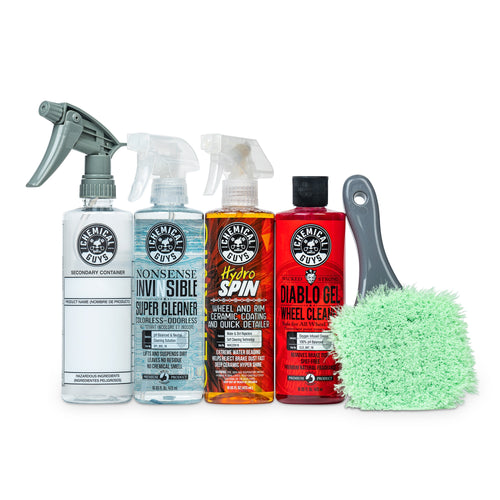
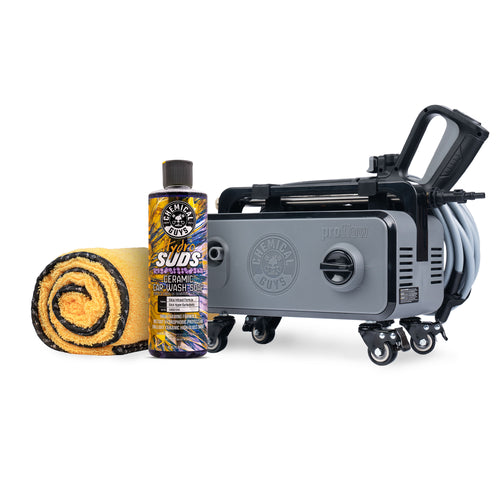
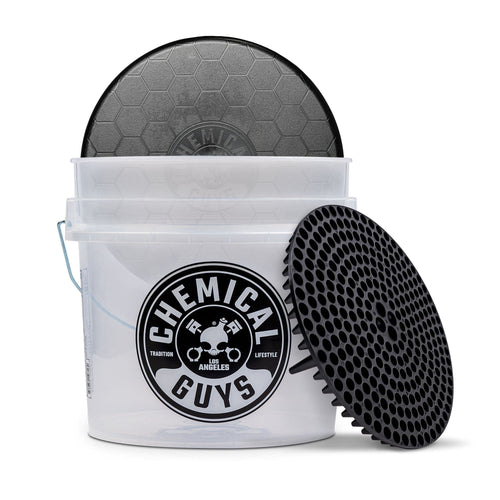
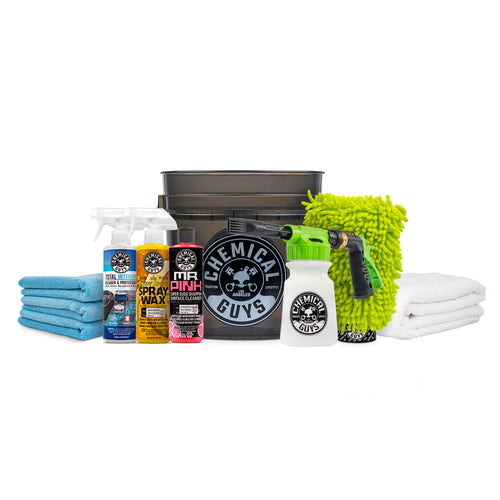
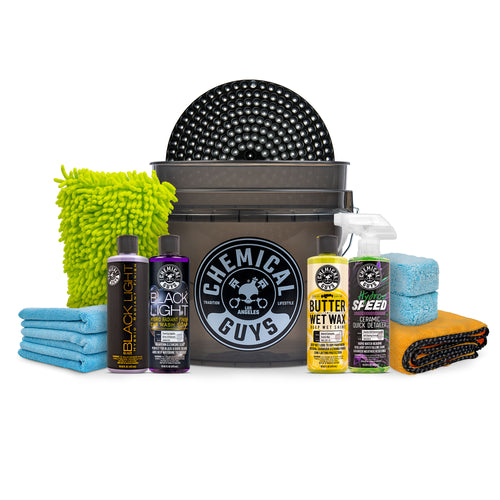
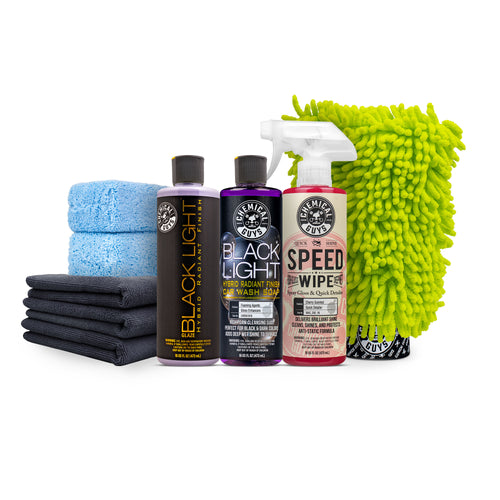
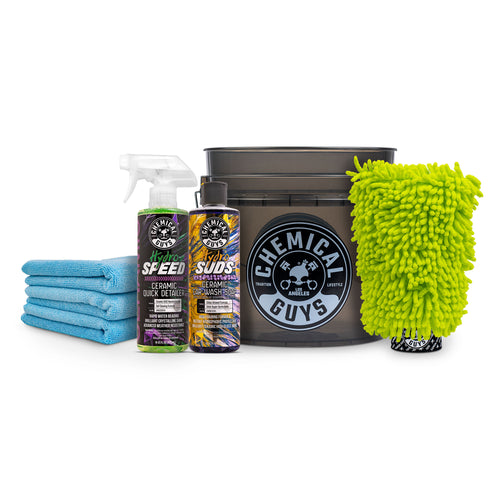
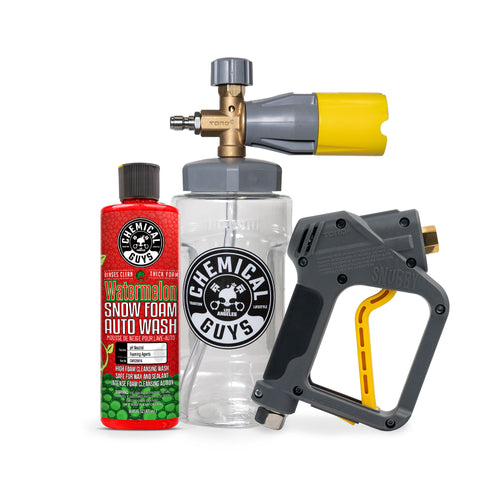
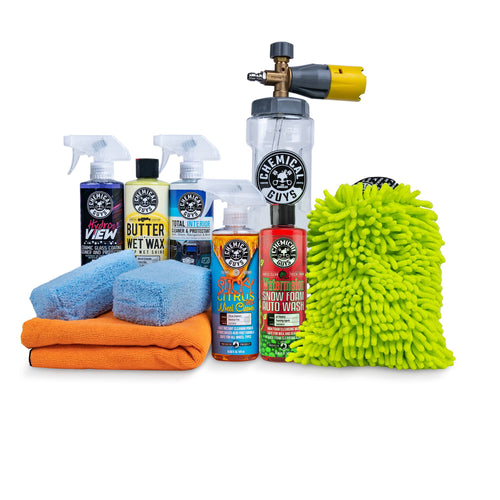
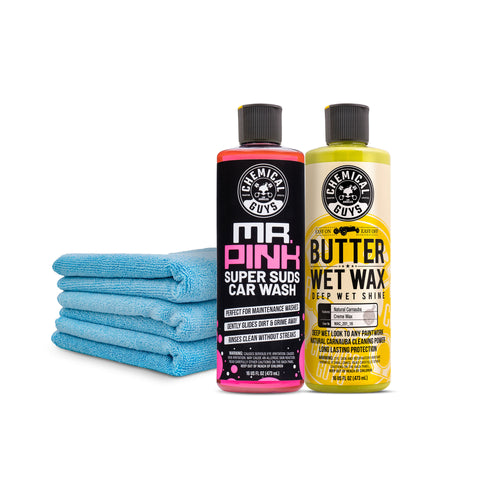
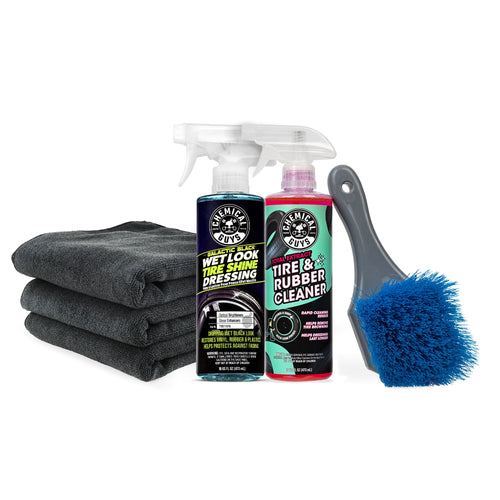
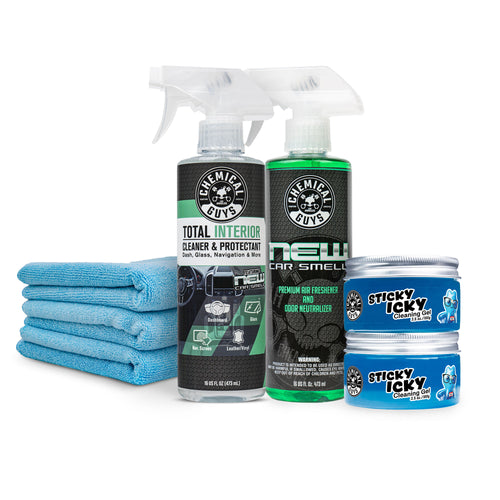
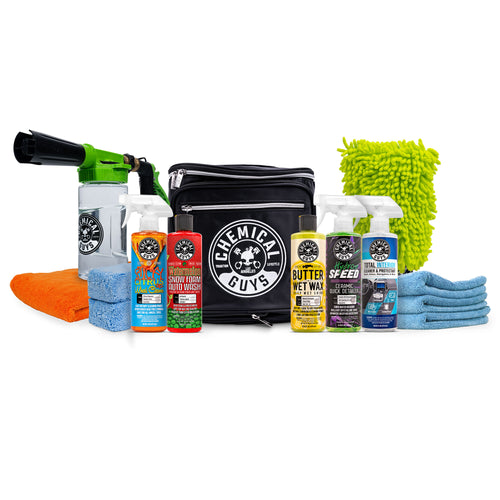
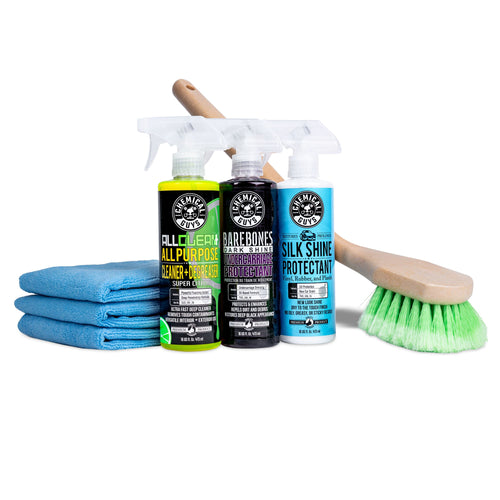
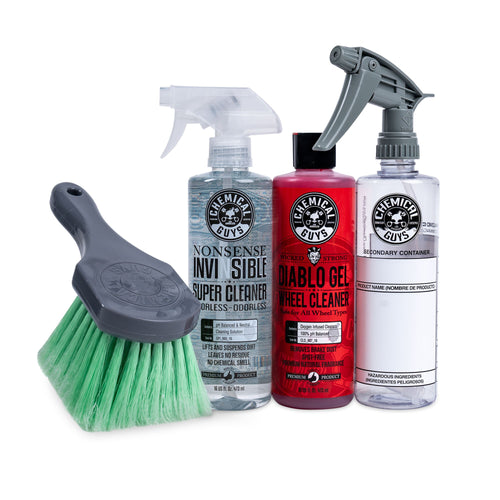
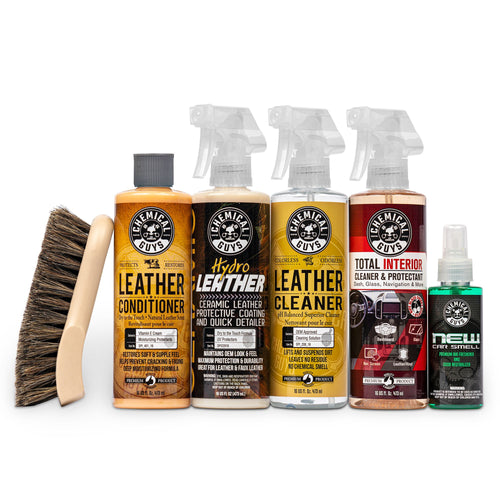
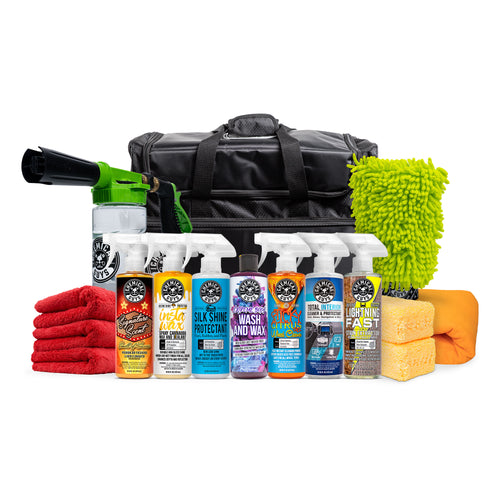
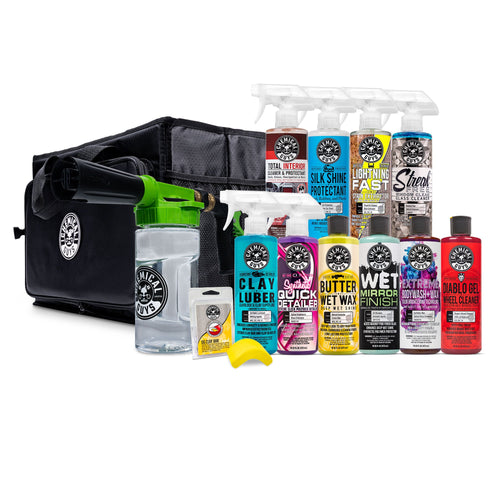
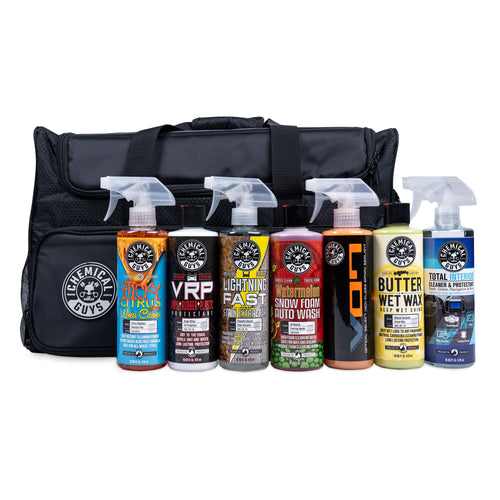
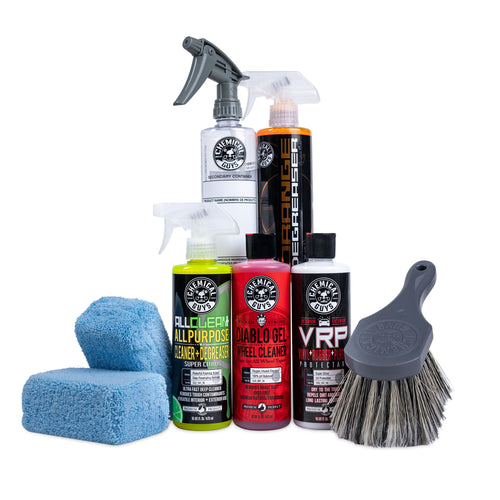
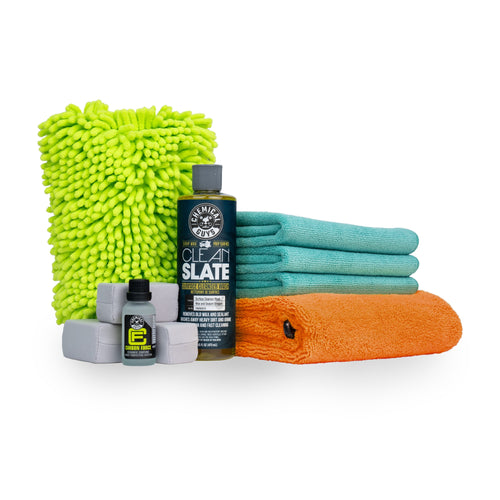
Scratches and swirl marks are usually caused by friction, trapped contamination, or improper contact during washing and drying. Using the right detailing tools helps manage these risks by controlling how surfaces are touched, cleaned, and maintained throughout the detailing process.
High-Quality Wash Mitts With Deep Fibers
Plush microfiber or chenille wash mitts are designed to pull dirt away from the paint surface. Deep fibers trap and hold contaminants within the mitt, keeping abrasive particles from being dragged across the clear coat during washing.
Dedicated Wash Buckets With Grit Control
Using dedicated wash and rinse buckets helps separate clean soap solution from dirty rinse water. Grit control inserts allow heavy debris to settle at the bottom of the bucket, reducing the chance of reintroducing abrasive particles to the wash mitt.
Pre-Wash Foaming Tools
Foam cannons and foam guns apply a thick layer of suds that loosens and lifts dirt before contact washing begins. Reducing surface contamination ahead of time lowers the amount of debris that can cause scratches during hand washing.
Soft, High-Absorbency Drying Towels
Microfiber drying towels designed for automotive paint absorb water efficiently without requiring pressure. Their soft fibers glide over the surface, minimizing friction and reducing the risk of fine scratches during the drying stage.
Surface-Specific Applicators And Towels
Using separate applicators and towels for paint, wheels, and interiors helps prevent cross-contamination. Surface-specific tools reduce the chance of abrasive debris from wheels or trim being transferred onto painted panels.
Paint-Safe Brushes For Tight Areas
Soft-bristled brushes, specifically designed for automotive detailing, enable safe cleaning around emblems, badges, and trim. These tools help remove dirt from hard-to-reach areas without aggressive scrubbing that could damage surrounding paint.
How Tool Quality Impacts Results For Diy And Professional Detailers
Tool quality has a direct and measurable impact on detailing results, regardless of experience level. While technique and products matter, tools control how those elements interact with vehicle surfaces. Higher-quality tools provide better control, safer contact, and more predictable outcomes, making them essential for both DIY users and professionals.
Tool performance shapes results before the first pass is made.
Surface Safety Begins With Better Materials
High-quality detailing tools are manufactured with materials explicitly chosen for automotive surfaces. Softer microfiber blends, properly finished edges, and balanced brush fibers help reduce friction and prevent abrasive contact that can lead to scratches or swirl marks.
More Consistent Product Distribution
Quality applicators and towels ensure that products are spread evenly across surfaces. This consistency ensures cleaners, waxes, sealants, and coatings work as intended, reducing patchiness, streaking, and wasted product caused by uneven application.
Greater Forgiveness For Diy Detailers
For DIY users, tool quality reduces the risk of mistakes. Well-designed tools require less pressure, respond predictably, and help guide proper technique, making it easier to achieve solid results without advanced experience.
Improved Efficiency For Professionals
Professional detailers rely on the reliability of their tools to maintain a seamless workflow. Durable tools withstand repeated use, hold their shape, and perform consistently, allowing professionals to work faster while maintaining a high standard across multiple vehicles.
Reduced Introduction Of Defects
Lower-quality tools are more likely to shed fibers, deform, or trap debris. These issues can introduce micro-marring or uneven finishes that require correction later. Quality tools help prevent these problems before they occur.
Long-Term Durability And Value
Higher-quality tools typically last longer and perform more consistently over time. While the upfront cost may be higher, the reduced need for replacement and corrective work makes them a better long-term investment.
Confidence Through Predictable Results
Whether working at home or professionally, reliable tools build confidence. When tools behave consistently, detailers can focus on technique and process instead of compensating for tool limitations.
Tool quality plays a foundational role in detailing success. By improving safety, consistency, and efficiency, high-quality tools help both DIY and professional detailers achieve cleaner results with less effort and greater control.
When DIY Detailing Tools Are Enough And When To Go Pro
DIY detailing tools offer a practical way to maintain and improve a vehicle’s appearance, but they are not always the right solution for every situation. Understanding where DIY tools excel and where professional tools or services are more appropriate helps protect the vehicle and manage expectations.
The decision often comes down to scope, experience, and desired results.
Routine Maintenance Fits Well With Diy Tools
Basic exterior washing, drying, wheel cleaning, and interior upkeep are ideal tasks for DIY detailing tools. Wash mitts, microfiber towels, brushes, and applicators provide sufficient control and surface safety for regular maintenance without the need for specialized equipment.
Light Enhancement And Protection At Home
DIY tools work well for applying waxes, sealants, and spray ceramic products. Entry-level dual-action polishers can also effectively remove light swirl marks and minor haze when used carefully, allowing at-home users to refresh the appearance of their paint safely.
Interior Detailing And Fabric Care
Most interior detailing tasks are well within the scope of DIY tools and equipment. Vacuuming, fabric cleaning, spot treatment, and trim care can be done effectively with soft brushes, microfiber towels, and basic applicators.
When Defects Require Advanced Correction
Deep scratches, heavy oxidation, and extensive swirl marks often exceed the capabilities of DIY repairs. These issues typically require professional-grade machines, advanced pad combinations, and experience to correct without risking paint damage.
Complex Coating Applications
Long-term ceramic coatings and multi-step paint correction systems demand precise preparation and controlled conditions. Professionals are better equipped to handle these processes, ensuring proper bonding and consistent results.
Balancing Time, Confidence, And Expectations
Even when DIY tools are capable, time and comfort level are important considerations. Drivers who lack the time, confidence, or patience for detailed work may benefit from professional services to achieve their desired outcome.
How DIY Detailers Can Avoid Common Tool Mistakes
Choosing the right tools is only part of the detailing process. Using them correctly and consistently helps DIY detailers avoid mistakes that can lead to surface damage or uneven results.
- Use Surface-Specific Tools: Assign separate tools for paint, wheels, and interiors to prevent cross-contamination. Mixing tools between surfaces increases the risk of scratches and residue transfer.
- Keep Tools Clean During Use: Rinse wash mitts, brushes, and towels frequently while detailing. Dirty tools drag trapped debris across surfaces, reducing cleaning effectiveness.
- Avoid Excessive Pressure: Let the tool and product do the work. Pressing harder increases friction and can cause scratches, swirl marks, or uneven application.
- Replace Worn Or Damaged Tools: Frayed towels, stiff brushes, or deteriorated applicators can damage surfaces. Inspect tools regularly and replace them when they show signs of wear.
- Use The Right Tool For The Task: Avoid improvising with household tools. Automotive detailing tools are designed for surface safety and controlled contact.
- Store Tools Properly: Clean and dry tools after use, then store them in a clean, dry area. Proper storage helps maintain the performance and longevity of tools.
Avoiding common tool mistakes helps DIY detailers achieve cleaner results while protecting vehicle surfaces. With mindful use and maintenance, tools become an asset rather than a risk.