| Latest Innovations | |
| Chemical Guys News | |
| Exterior How-To's | |
| Interior How-To's | |
| Drying How-To's | |
| Ceramic How-To's | |
| Detailing University |

Key Takeaways:
- Right Product, Right Job: Match your motorcycle cleaner to the surface, soap for bodywork, degreaser for the chain, dedicated cleaner for chrome.
- Skip The Pressure Blast: Gentle water flow protects bearings, electronics, and seals that high-pressure washing can wreck.
- Dry It Fully: Drying every crevice prevents water spots and rust, especially on bolts and chrome.
Ever pulled your motorcycle out for a spring ride only to realize it's wearing six months of garage dust like a bad tattoo? Yeah, we've been there too. Bikes don't have the luxury of a car wash tunnel; every inch, from the tank to the spokes, needs a little hands-on love (and the right products) to avoid scratching up that paint or gumming up sensitive parts.
At Chemical Guys, we've been making premium car care products for decades, and our detailing know-how translates straight to two wheels. We build cleaners for every surface on your ride and teach thousands of enthusiasts how to use them through our YouTube channel and Detailing University.
In this piece, we'll cover when to wash, what products to grab, and a step-by-step method for a safe, show-worthy shine.
When To Wash Your Motorcycle (And When To Avoid It)
Timing matters more on a bike than most people think. Wash it too soon after a ride, or under the wrong conditions, and you can cause more harm than good.
The Best Time to Wash
Wash your bike when the engine, exhaust, and brakes are fully cool. Cool metal keeps your cleaner from flash-drying into streaks and protects you from burns. A shaded, mild-weather day is ideal—no baking sun, no freezing temps.
When to Hold Off
Skip the wash right after a long ride when everything's hot. Also, avoid washing in direct sunlight or when rain's rolling in, since you won't get a chance to dry properly. If your bike's caked in mud, let it dry first, then knock off the big chunks before adding water.

Choosing The Best Motorcycle Cleaner And Cleaning Products
There's no single "do-it-all" bottle. The best motorcycle cleaner is the one built for the surface you're working on.
Body and Paint
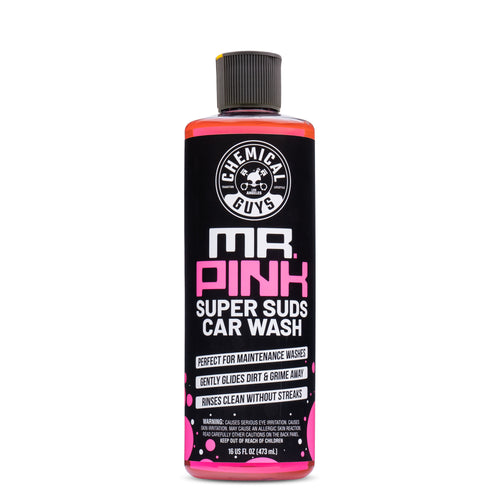
Reach for a pH-balanced car wash soap. It lifts grime without stripping wax or ceramic coatings, and it's gentle on painted fairings, tanks, and plastics.
Wheels, Chrome, and Metal
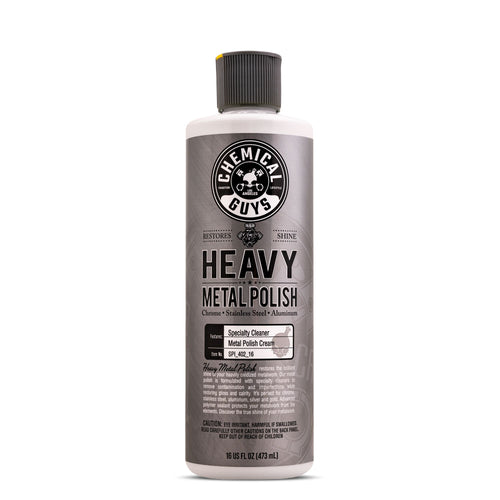
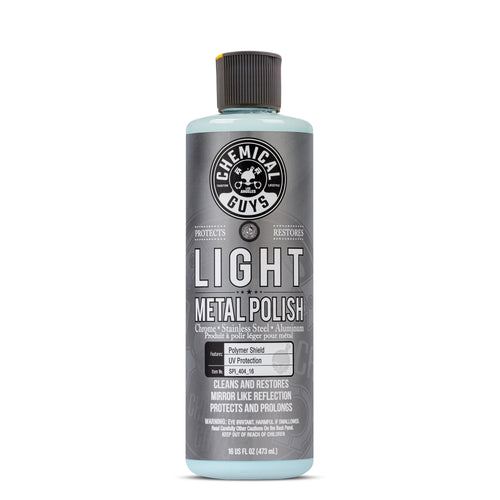
Use a dedicated wheel-and-rim cleaner to cut through baked-on brake dust, and a chrome-safe polish to restore mirror shine. Never use harsh acids on chrome—they pit the finish.
Chain and Drivetrain
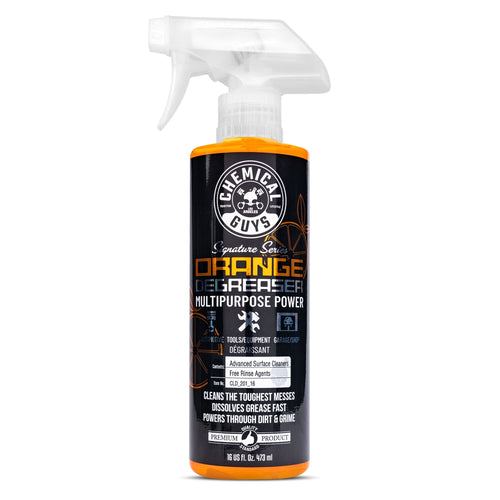
Grab a proper chain degreaser. It dissolves old lube and road grit that regular soap can't touch, prepping the chain for fresh lubrication. For O-ring, X-ring, or sealed chains, make sure your cleaner is compatible to avoid damaging the seals.
Gather Your Motorcycle Detailing Supplies Before You Start
Set everything out first, so you're not running around mid-wash with a dripping bike. A little prep makes the whole job smoother.
Build Your Wash Kit
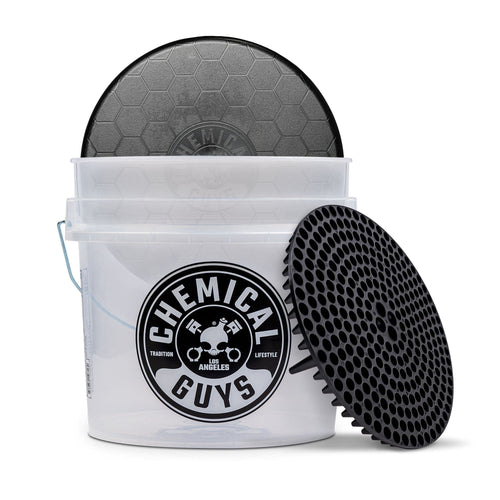
At a minimum, you'll want a dedicated motorcycle cleaner or car-wash soap, a soft wash mitts & sponges, a couple of microfiber towels, and a bucket. If your bike has picked up bugs, tar, or brake dust, add a bug-and-tar remover or a wheel cleaner to your lineup, too.
Don't Forget The Detail Brushes
Motorcycles have a ton of tight spaces, around the engine, spokes, and frame — that a mitt just can't reach. A few soft-bristled detail brushes in different sizes will help you get into those nooks without scratching anything.
Set Up A Shaded, Cool Work Area
Washing in direct sunlight causes soap and water to dry too fast, leaving spots and streaks behind. Find a shaded spot, or wash early in the morning or in the evening, so your cleaner has time to actually work before it evaporates.
Step-by-Step Guide: How To Clean A Motorcycle Safely
Here's how to clean a motorcycle without soaking the parts that hate water. Work top to bottom and take your time.
Prep and Protect
Cover the exhaust opening and any exposed electronics or key slots. Rinse the bike with a gentle stream of water—never a high-pressure blast.
Wash Bodywork
Foam the bike with your wash soap, then use your soft mitt to clean painted panels, the tank, and fairings. Work in sections and rinse the mitt often in your rinse bucket.
Tackle Wheels and Chain
Switch to your wheel cleaner and a brush for the rims, then degrease the chain separately. Keep these dirty jobs last so you don't drag grit across clean paint.
Final Rinse
Rinse everything with a light flow of water, top to bottom, until all suds are gone.

Cleaning Sensitive Areas: Chrome, Leather, And Electronics
These spots need a gentler touch and the right specialized products; one-size-fits-all cleaners do more harm than good here.
Chrome
Clean chrome with a chrome-safe cleaner, then polish for that deep mirror finish. Dry it immediately to prevent water spots and surface rust.
Leather Seats
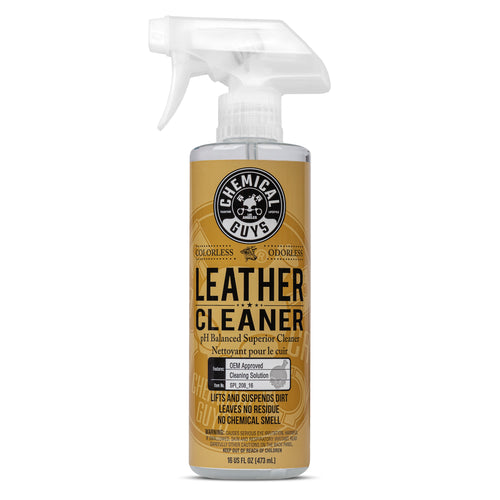
Wipe leather with a dedicated leather cleaner, then follow with a conditioner to keep it soft and crack-free. Skip all-purpose sprays that dry out the material.
Electronics
Never spray water directly at switches, the ignition, or connectors. Wipe these with a lightly damp microfiber towel instead.
Drying And Finishing Touches For a Streak-Free Shine
Drying is where a good wash becomes a great one. Air-drying is your enemy; it leaves spots and can start rust.
Dry Thoroughly
Use a plush microfiber drying towel to soak up water from panels, then hit crevices, bolts, and chrome. A blower or compressed air helps push water out of hidden gaps, keep it clean, dry, and away from sensitive electronics or seals.
Add Protection
Finish with a quick detailer or spray sealant to add gloss and a protective layer. It makes the next wash quicker and keeps grime from sticking.
Maintaining Your Motorcycle's Shine Between Washes
You don't need a full wash every time your bike gets a little dusty. A few quick habits keep it looking fresh.
Quick Touch-Ups
Use a waterless wash and a microfiber towel to wipe away light dust and fresh bug splatter between full washes. It's fast and safe when done on a lightly soiled surface, not on mud, heavy grime, or gritty contamination.
Stay Ahead of Grime
Wipe bird droppings and bug guts off as soon as you spot them; they're acidic and eat into your finish. Keep the chain lubed and reapply spray sealant every few weeks for lasting shine. Stocking the right motorcycle wash products and keeping them within reach makes it easy to stay on top of maintenance without turning it into a chore.

Final Thoughts
Washing a motorcycle comes down to two things: using the right motorcycle cleaning products for each surface and being gentle with water around sensitive parts. Nail those, dry it fully, and add a layer of protection, your ride will reward you with a finish that turns heads. Grab your supplies, put on some music, and make wash day something you actually look forward to.
Frequently Asked Questions About How To Wash A Motorcycle
How often should I wash my motorcycle?
Wash it every one to two weeks with regular riding, or right after exposure to rain, salt, mud, or bug-heavy rides. Frequent riders may need more; garage-kept bikes need less.
Is it safe to pressure wash a motorcycle?
It's risky; high pressure can force water past seals into bearings, electronics, and the chain. Use a gentle water flow or a low-pressure setting from a safe distance instead.
How do I clean my motorcycle chain and drivetrain properly?
Use a dedicated chain degreaser and a brush to remove old lube and grit, rinse lightly, dry fully, then reapply fresh chain lube before riding. For sealed chains, confirm that your cleaner is O-ring-safe.
Should I wax my motorcycle after washing it?
Yes, wax or a spray sealant adds gloss, repels water and grime, and makes future washes quicker. Apply to clean, dry paint and chrome for best results.
How do I prevent water spots and rust when drying my motorcycle?
Dry immediately with a microfiber towel, hitting every crevice, bolt, and chrome piece. A blower or compressed air clears hidden water that leads to spots and rust.
What are waterless motorcycle cleaners and do they actually work?
Waterless cleaners encapsulate light dirt so you can wipe it away with a microfiber towel, no hose needed. They work great on lightly soiled bikes, not caked-on mud.