| Latest Innovations | |
| Chemical Guys News | |
| Exterior How-To's | |
| Interior How-To's | |
| Drying How-To's | |
| Ceramic How-To's | |
| Detailing University |

Key Takeaways:
- Clean Before Polishing: Removing soot and grime first lets metal polish work on the surface itself.
- Match Polish Strength: Heavy polish handles oxidation, while light polish keeps clean tips bright between details.
- Protect The Shine: A wax or sealant after polishing repels water and slows new buildup.
To clean and polish exhaust tips, let the exhaust cool completely, spray an exhaust-safe degreaser, agitate with a soft brush, rinse and dry, then polish the metal and buff away the residue before adding protection. Exhaust tips are the last thing people see as you drive away, and dull, sooty tips can undo an otherwise spotless detail.
At Chemical Guys, our metal polishes are designed to restore chrome trim, wheels, and exhaust tips to a brilliant, mirror-like finish while adding a protective barrier against future grime. We know how quickly carbon, road film, and oxidation build up back there, so we designed our process around cleaning first and polishing second.
In this guide, we cover what builds up on exhaust tips, which products to use, the full process step by step, hand versus machine polishing, and how to keep tips shiny longer.
What Builds Up On Exhaust Tips
Exhaust tips sit in a harsh spot, catching heat, exhaust, and everything the rear wheels throw up. Three types of buildup do most of the damage, and each one calls for a slightly different approach.
Carbon And Soot
Baked-on carbon deposits collect inside and around the outlet with every drive. That black film is greasy, stubborn, and often hidden on the undersides of tips, where it builds layer after layer until the metal underneath disappears from view. Vehicles that idle often or run rich tend to collect it fastest.
Water Spots And Road Grime
Rain, wash water, and road spray leave mineral spots and grime on the polished surface. Anyone learning how to clean car exhaust components should look closely at the edges and lower curve of each tip, where debris tends to collect and dry. Hard water left to air dry on hot metal etches spots that a quick wipe will not lift.
Oxidation And Discoloration
Oxygen, sulfur, and airborne contaminants slowly tarnish metal, turning bright tips dull, cloudy, or discolored. Left alone, that oxidation can progress into corrosion and pitting, which takes more aggressive polishing to correct than routine maintenance ever would. Catching discoloration early keeps the job quick and gentle.

Which Exhaust Cleaner Should You Use
The right exhaust cleaner depends on how much buildup you are facing. We match the product to the job rather than reaching for the strongest option every time.
An All-Purpose Degreaser For Soot And Grime
Our All Clean+ All Purpose Cleaner & Degreaser works well as an exhaust tip cleaner for routine soot and road film. Its concentrated citrus formula can be diluted to the strength you need, and it lists stainless steel, metal, and aluminum among its applicable finishes.
A Heavy-Duty Degreaser For Baked-On Grime
For heavy oil and grease buildup, our Signature Series Orange Degreaser is the stronger exhaust tip cleaner, using natural citrus extracts and powerful surfactants to cut through films lighter formulas leave behind. It is safe on rubber, plastics, and painted metal when used as directed and rinsed thoroughly.
Heavy Vs. Light Metal Polish
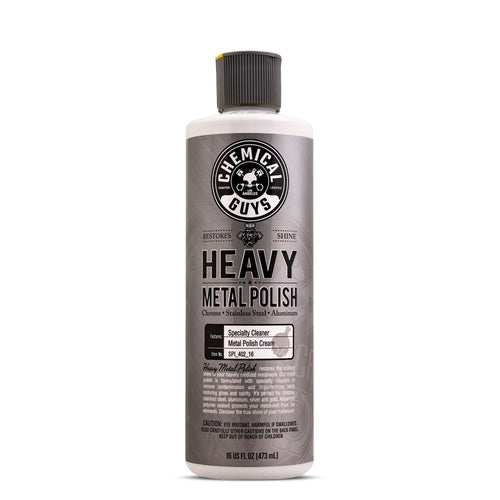
Once tips are clean, polish brings back the shine. Our Metal Polish collection features Heavy Metal Polish, made for heavily oxidized, stained, or tarnished metal, and we also offer Light Metal Polish, which cleans, polishes, and protects lightly tarnished metal in one step. As a chrome exhaust tip cleaner and polisher, the heavy formula restores neglected tips, while the light formula keeps them bright.
How Do You Clean Exhaust Tips Step By Step
Here is how to clean exhaust tips from first spray to final buff, using the products above. Work one tip at a time so nothing dries before you can reach it properly. Following these steps in order keeps soot from smearing into the polish and gives you a cleaner, brighter finish on every tip:
- Let Everything Cool: Start only after the exhaust has cooled completely, so the product does not flash dry on hot metal.
- Mask Nearby Surfaces: Cover surrounding rubber, plastic, and bumper paint with painter's tape to prevent accidental staining or scratching.
- Spray & Agitate: Mist degreaser onto the tip, then work it inside and out with a soft brush to loosen soot.
- Rinse & Dry Thoroughly: Flush away loosened grime with water, then dry completely with a clean microfiber towel before polishing.
- Apply Polish Sparingly: Place small dots of metal polish on your applicator, since a little goes a long way on tips.
- Buff Away Residue: Wipe off spent polish with a fresh microfiber towel, turning to a clean side as it loads up.
Give extra attention to the inner lip of each tip, where soot hides even after the outside looks clean.

Should You Polish Exhaust Tips By Hand Or Machine
Both methods work well. The right choice depends on how much buildup remains, the shape of your tips, and how much clarity you want.
Start With Foam, Finish With Microfiber
For tips covered in months of grime and carbon, we recommend a combination approach. Use a firm foam applicator first to work polish into oxidation and water spots, then switch to a soft microfiber pad for the final polish and buff. Keep separate pads for different products to prevent cross-contamination.
Machine Polishing For Maximum Clarity
A dual action or rotary polisher with a foam or microfiber pad brings out depth that hand work can struggle to match. Start at low speed to spread the product, then raise to medium with slow, overlapping passes and light pressure. Our guide on How to Polish Stainless Steel covers inspection, product selection, machine techniques, and fixes for common polishing problems.
Use A Drill Attachment For The Inner Barrel
When you learn how to clean car exhaust tips, the interiors are the hardest part to reach with a pad. Our Ball Buster Speed Polishing Drill Attachment is a soft foam cone that mounts to any power drill, and its long, cone-shaped design and extension wand reach deep into tight spaces. It cleans and polishes stainless steel, metal, and aluminum without scratching, and exhaust tips are among the parts it was designed for.
How Do You Keep Exhaust Tips Shiny Longer
Knowing how to clean exhaust tips is half the job, and a little regular follow-up handles the rest. These habits extend the shine between full sessions and make every future clean faster.
Protect With Wax Or Sealant
After polishing, apply a wax or sealant safe for metal finishes. That protective layer locks in the shine, repels water and contaminants, and helps prevent mineral spots from forming, thereby extending the interval between polishing sessions. Reapply protection whenever water no longer beads on the metal.
Polish Every Two To Three Months
For most vehicles, polishing exhaust tips every two to three months keeps them looking sharp. If you drive in harsh conditions or see buildup quickly, monthly maintenance with a light polish helps prevent heavy oxidation and discoloration from setting in. A quick wipe during each regular wash also keeps soot from building back up before your next polish.
Extend The Clean Beyond The Tailpipe
Once the tips shine, the rest of the vehicle's metal and mechanical areas deserve the same attention. Our guide on How to Clean Your Engine Bay covers safety prep, step-by-step degreasing, and dressing plastics and hoses for a finished look under the hood.

Final Thoughts
Bright exhaust tips come from cleaning away soot first, then polishing and protecting the metal underneath.
At Chemical Guys, we offer degreasers, Heavy Metal Polish and Light Metal Polish, polish bundles, and applicators designed to restore and protect chrome, stainless steel, and aluminum. We believe car care should be effective, approachable, and repeatable. Carefully compare your current approach with this process, then choose the polish strength that best matches the condition of your tips.
Frequently Asked Questions About Exhaust Cleaner
Why does black residue appear on my polishing pad?
That residue is oxidized metal and old contaminant buildup being removed. Wipe frequently and replace heavily soiled pads so debris is not spread back onto the tip.
Can the same drill attachment clean my wheels?
Yes. Our Ball Buster reaches into wheel spokes, barrels, lug nut holes, and hubs, removing dirt, brake dust, and grease from tight areas.
Does polishing remove scratches from exhaust tips?
Polishing removes light surface scratches, oxidation, and swirl marks. Deeper scratches may require multiple passes, and severe damage may require professional refinishing.
Can I use the same metal polish on chrome trim and wheels?
Yes. The same metal polish that works as a chrome exhaust tip cleaner also restores the shine of chrome trim, wheels, and other metal components while adding protection.
Why does the tip look hazy after polishing?
Haze usually means residue was not fully removed or dried on the surface. Buff with a clean, dry microfiber towel until the metal looks clear.
Is degreaser safe on rubber near the exhaust?
Quality automotive degreasers are safe on rubber when rinsed thoroughly. Do not let the product dwell for extended periods or dry on rubber parts.