| Latest Innovations | |
| Chemical Guys News | |
| Exterior How-To's | |
| Interior How-To's | |
| Drying How-To's | |
| Ceramic How-To's | |
| Detailing University |

Key Takeaways:
- Safety Preparation Is Non-Negotiable: A cool engine, covered sensitive electronics, and working in shade are required. Applying degreaser to a hot engine bay causes the product to flash-dry before it can work.
- Degreaser Choice Depends On Buildup Level: Heavy baked-on oil requires a concentrated citrus degreaser. Routine maintenance suits an all-purpose cleaner at a lighter dilution.
- Dress After Cleaning For A Finished Result: Plastics and hoses left bare after degreasing look dull. A dressing restores a uniform appearance and protects components from UV degradation.
The engine bay is one of the most neglected surfaces on any vehicle, yet it collects oil, grease, road grime, and contamination with every drive. A clean engine bay is easier to inspect for leaks, runs cooler, and makes a significant impression during any sale or inspection. Understanding how to clean engine bay surfaces safely is what separates a professional result from potential damage to sensitive components.
At Chemical Guys, our engine bay cleaning products handle the heavy contamination under the hood without harming rubber, plastic, painted metal, or electrical components when used correctly.
In this guide, we’ll cover what builds up in the engine bay, how to prepare safely, the step-by-step cleaning process, and how to finish with a professional result.
Why Engine Bay Cleaning Matters And When To Do It
Engine bay cleaning principles start with understanding what is actually happening under the hood and why cleaning it matters beyond aesthetics.
What Builds Up In The Engine Bay And Why It Matters
The engine bay accumulates oil residue, grease from suspension components, road grime, brake dust, and industrial fallout. Over time, this forms a thick insulating layer that traps heat, causing the engine to run hotter. It also makes leak detection nearly impossible. A small oil seal weep becomes invisible under built-up grime. Knowing how to clean car engine compartments correctly also preserves component longevity, as oils and acids in road grime degrade rubber hoses and plastics when left in contact over long periods.
Safety Preparation Before Engine Bay Cleaning
Never begin engine detailing at home without completing safety preparation. Allow the engine to cool completely. Heat causes the degreaser to evaporate rather than penetrating and lifting contamination. Disconnect the battery if working near the alternator or fuse box. Cover the air intake, alternator vents, and exposed electrical connectors before applying any water or product. Work in shade. Direct sunlight causes the product to dry before it finishes working.

How To Clean An Engine Bay Step By Step
How to clean the engine compartment effectively requires the correct sequence before the degreaser is applied.
- Step 1 — Pre-Rinse With A Gentle Water Flow: With the engine cool, use a garden hose or low-pressure washer setting to pre-rinse the engine bay. This removes loose dust, leaves, and debris that would otherwise absorb and dilute the degreaser. Keep water pressure low. High pressure forces water into electrical connectors.
- Step 2 — Apply Degreaser To The Entire Engine Bay: Spray degreaser generously across every surface, including valve covers, intake manifold, hoses, plastic covers, suspension towers, and the firewall. Allow the product to dwell for 15 to 30 seconds to penetrate the contamination. For stubborn baked-on areas, allow up to 60 seconds.
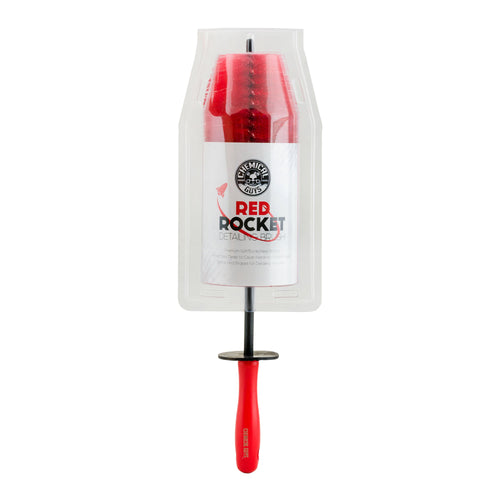
- Step 3 — Agitate With Brushes By Zone: Work through the engine bay with the right brush for each area. A stiff brush is best for large flat surfaces. A flexible long-handle brush reaches behind components and tight areas. A small detail brush handles gaps around sensors and wiring. Agitation breaks up the contamination that the degreaser has loosened.
- Step 4 — Rinse Thoroughly At Low Pressure: Rinse all degreaser and contamination from the engine bay using a garden hose or low-pressure setting. Work from the back toward the front so rinsed contamination flows out through the front. Thorough rinsing is critical. Degreaser residue left on surfaces attracts new contamination more quickly than an unclean surface does.
- Step 5 — Dry With Microfiber Towels Or Compressed Air: Wipe accessible surfaces with clean microfiber towels and use compressed air to blow water out of gaps, connectors, and behind components where towels cannot reach.
Which Chemical Guys Products To Use For Engine Bay Cleaning
Engine bay detail results depend on matching the right product to the contamination level. Our Signature Series Orange Degreaser is the heavy-duty formula for bays with significant baked-on oil and grease, as well as deep-set road grime. Infused with natural citrus extracts and powerful surfactants, it cuts through oil films that lighter formulas cannot penetrate. It is concentrated and adjustable. Use at full strength for heavily contaminated areas and dilute for lighter tasks. It is safe on rubber, plastics, and painted metal when used as directed and rinsed thoroughly. Our Engine Cleaner collection covers our full degreaser range, from routine cleaners through heavy-duty citrus formulas.
All Clean+ For Routine Cleaning And The All-Season Kit
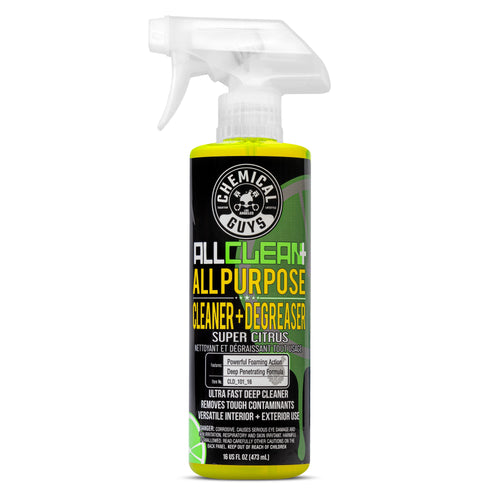
Our All Clean+ All Purpose Cleaner and Degreaser is the versatile choice for routine engine bay maintenance. Its high-tech citrus formula with foaming technology penetrates hard-to-reach spots and uses natural enzymes to neutralize odors while lifting surface grease and grime. The concentrated formula allows dilution to the exact strength needed. The All-Season Clean Engine Bay Starter Kit pairs All Clean+ with brushes, microfiber towels, and dressing for a complete out-of-the-box system. For the broader exterior care range that complements engine bay work, our Exterior collection covers every wash, polish, and protect product for the full vehicle.

Finishing And Protecting The Engine Bay
A clean engine bay that is not dressed looks washed out and flat. The finishing step takes only a few minutes but makes the difference between a bay that looks properly detailed and one that simply looks wet.
Dressing Plastics And Hoses After Cleaning
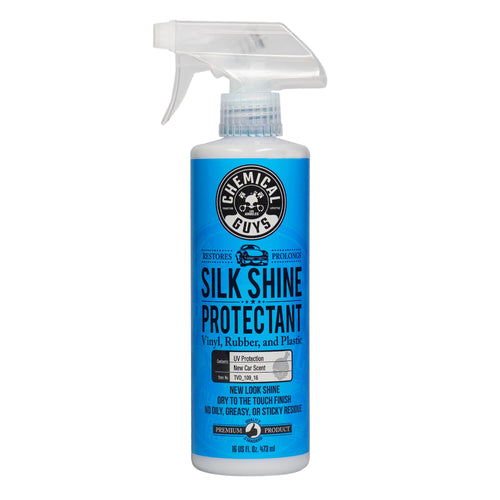
Once the engine bay is clean and dry, apply a plastic and rubber dressing to all visible hoses, plastic covers, and trim pieces. Our Silk Shine Protectant for Vinyl, Rubber, and Plastic restores a uniform, rich appearance to every surface without leaving a greasy film that attracts dust. Dressed surfaces also resist UV degradation more effectively, extending the life of hose and cover materials exposed to significant heat cycling.
How Often To Clean The Engine Bay
For most drivers, a full engine bay detail once or twice a year helps maintain a clean, inspectable engine compartment. The frequency depends on how the vehicle is used. Daily drivers in wet or salt-affected climates accumulate contamination faster and benefit from a clean every four to six months. Vehicles with known minor oil leaks should be checked and cleaned more frequently to catch developing issues before they worsen.

Final Thoughts
Most drivers never clean their engine bay and only notice it when they need to sell the vehicle or diagnose a problem that has been invisible under built-up grime. A clean engine bay is not a cosmetic exercise; it is a practical one. Leaks become visible, heat dissipates more efficiently, components last longer, and the vehicle is easier to maintain.
At Chemical Guys, our Signature Series Orange Degreaser, All Clean+, and Silk Shine Protectant provide every driver with a complete system to clean, finish, and protect the engine bay, whether it is a first-time clean on a neglected bay or a routine maintenance session.
Frequently Asked Questions About Cleaning The Engine Bay
What temperature should the engine be before cleaning?
The engine should be completely cool before any cleaning product or water is applied. A hot engine causes the degreaser to evaporate on contact, reducing effectiveness. A minimum wait of two hours after switching off is a safe guideline for most vehicles.
Should I cover the alternator before cleaning the engine bay?
Yes. The alternator contains exposed windings and should be covered with a plastic bag before any water or product is applied. The air intake and any unsealed electrical connectors should also be covered.
Can engine bay degreaser damage rubber hoses?
Quality degreasers formulated for automotive use are safe on rubber when rinsed thoroughly and not left to dwell for extended periods. Always rinse completely and do not allow the degreaser to dry on the rubber.
What is the best engine bay cleaner for everyday use?
All Clean+ at a diluted concentration is the most versatile choice for routine cleaning. For significant oil buildup or neglected contamination, Signature Series Orange Degreaser at full strength cuts through heavy grime that lighter formulas leave behind.
Can I clean the engine bay without disconnecting the battery?
For a standard rinse and degrease away from the alternator and fuse box, it is not always necessary. For thorough cleaning near electrical components or when using a significant volume of water, disconnecting the battery is the safest approach.
Can engine bay cleaning products be used on other underbody areas?
Yes. Our All Clean+ and Signature Series Orange Degreaser work on wheel arches and suspension components where road grime and oil accumulate the same way. Spray, dwell, agitate, and rinse thoroughly.