We design our foam tools to pair directly with our car wash soaps because the combination of the right tool and the right formula produces consistent, professional results. Here are our two picks for every setup.
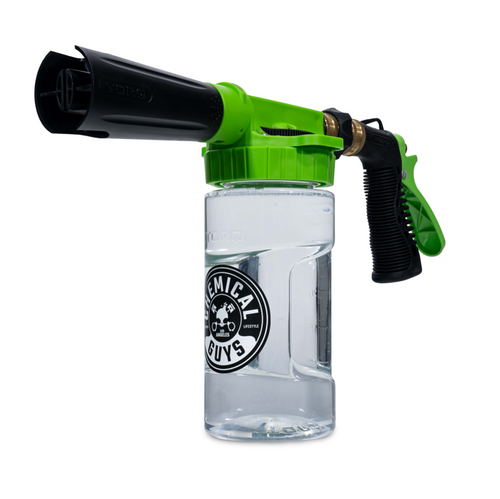
Torq Foam Blaster 6 Pro For Garden Hose Users
Our TORQ Foam Blaster 6 Pro connects to any standard garden hose and delivers thick, deep-cleaning foam without a pressure washer. Its Big Mouth adjustable nozzle gives you control over foam density and spray pattern so you can coat every panel, wheel well, and piece of trim with a single pass. The 1-liter solution bottle includes measurement lines so you get the right soap ratio every wash. The quick-release nozzle connection and ergonomic design keep the process fast, controlled, and fatigue-free from start to finish.
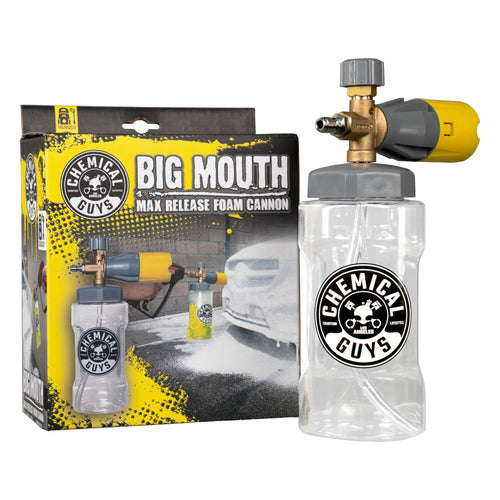
Big Mouth Max Release Foam Cannon For Pressure Washer Users
Our Big Mouth Max Release Foam Cannon is built for detailers who already run a pressure washer. We engineered the foam head at nearly 2 inches in diameter, our largest ever, to push out the thickest, densest foam in our lineup. It operates with any gas or electric pressure washer between 800 and 3,500 PSI, with a minimum of 1.4 GPM and 2.0 GPM recommended. The Quick Release Connect attaches to your pressure washer wand without threading or fiddling. The clear 34 oz canister has a wide mouth for spill-free filling and sits stably on the garage floor. The Easy Adjust Foam Knob controls output from a light wash to maximum foam release, and Full Flow Technology switches between a wide spray fan for panel coverage and a concentrated stream for wheel wells and lower panels.
Pairing With The Right Soap
The foam tool and the soap need to work together. High-sudsing formulas like our Mr. Pink Foam Party Soap and Watermelon Snow Foam are built to produce dense, clingy suds that dwell longer and rinse cleaner. Using a soap designed for foam tools means better coverage, a more thorough clean, and less residue on the final rinse.
Keeping Your Foam Tool In Good Shape
After every wash, empty the reservoir and run clean water through the unit until it clears. This takes less than a minute and prevents soap residue from clogging the nozzle or the mixing chamber. A consistent flush after each use keeps foam output at full performance every time you pick it up.
How To Use A Foam Gun Properly
Knowing how to use a foam cannon or foam gun correctly separates a wash that protects your paint from one that just gets it wet. The process is repeatable and straightforward once you have it dialed in.
Pre-Rinse Before Foaming
Start with a plain water rinse over the entire vehicle. This step removes loose debris, such as dust, leaves, and surface grit, before the foam goes on. Applying foam over heavy, loose contamination wastes your soap's cleaning power and increases the chance of dragging particles across the paint during washing.
Load The Reservoir And Set The Dial
Fill the reservoir with fresh water, then add 1 to 3 oz of car wash soap, depending on how dirty the vehicle is. Attach the bottle, connect to the hose, and set the foam dial to your preferred concentration. For more on dialing in your setup, see our foam cannon tips. A heavier setting works well for vehicles coming off a road trip or muddy drive. A lighter setting handles a weekly maintenance wash without wasting product.
Apply Foam And Let It Dwell
Spray the vehicle from the top down, panel by panel. Once the vehicle is fully coated, let the foam sit for 30 to 60 seconds. This dwell time is what makes foam washing effective; the soap breaks down and loosens contaminants so your mitt moves over a prepared surface rather than fighting through built-up grime.
Wash, Rinse, And Dry
Use a soft microfiber wash mitt to wipe each panel after the foam has dried. Work section by section, rinsing the mitt frequently. Once the full vehicle is wiped down, rinse thoroughly from top to bottom with clean water. Follow with a microfiber drying towel to prevent water spots and leave the surface ready for any wax, sealant, or ceramic product you want to apply next. For the full wash process, see our guide on how to wash a car.
Top Reasons To Add A Foam Gun To Your Wash Routine
A foam gun lets your standard garden hose deliver a proper foam wash without any additional equipment. Here is what changes when you add one to your routine:
- Paint Stays Protected: Thick foam lubricates your paint before your wash mitt touches it, reducing friction between abrasive grit and your clear coat, which helps prevent swirl marks from building up and dulling the finish over time.
- Foam Dwells & Loosens Grime: Foam clings to vertical panels and stays in contact longer than soapy water, giving surfactants time to break down built-up road film and brake dust fully before wiping begins.
- No Pressure Washer Needed: A foam gun connects directly to your standard garden hose, making it one of the most accessible ways to get a professional-style foam wash at home without adding bulk equipment to your garage.
- Adjustable Concentration For Every Wash: The built-in foam control dial lets you customize your dilution ratio for each wash. Use more soap for a heavily soiled vehicle or ease it back for a quick maintenance wash so you never waste product.
- Works On Every Surface: Foam coats paint, glass, trim, wheels, and lower panels in a single pass, making every surface safer and easier to clean without switching tools or products mid-wash.
- Rewarding Every Time: Foam washing produces better results than a standard bucket wash and makes the process more satisfying. Watching thick suds loosen and lift contamination off the paint genuinely never gets old.
Once you build foam washing into your routine, it becomes the standard you wash with every time.