| Latest Innovations | |
| Chemical Guys News | |
| Exterior How-To's | |
| Interior How-To's | |
| Drying How-To's | |
| Ceramic How-To's | |
| Detailing University |

Key Takeaways:
- Clean Right Away: Compound and wax harden fast inside a loaded pad. The sooner you wash it, the easier the residue releases and the longer the pad lasts.
- Match The Material: Foam, microfiber, and wool each take a slightly different approach during scrubbing. Getting it right protects the pad’s structure and keeps the cut consistent.
- Dry Before Storing: Storing a damp pad degrades the foam and weakens the hook-and-loop backing. Full air-drying before storage keeps every pad shaped, fresh, and ready to cut.
To clean polishing pads, shake a dedicated pad cleaner, spray it directly onto the pad, scrub with a soft pad-cleaning brush, rinse under warm running water, wring out the excess, and let the pad air-dry completely. Do it soon after polishing, before leftover compound and wax harden inside the pad. Every correction session leaves pads loaded with spent product, and tossing them in a bucket until next time is the fastest way to ruin a good pad.
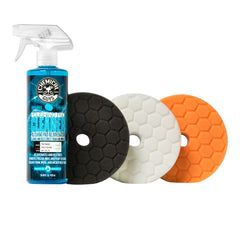
At Chemical Guys, we make our citrus-based Polishing Pad Cleaner to wash and rejuvenate foam, microfiber, and wool pads so they last longer and keep performing like new. In this guide, we cover why pads need cleaning, what you need, our step-by-step routine, how to handle each material, and how to keep pads in top shape between sessions.
Why Do Polishing Pads Need Regular Cleaning
A dirty pad does more than look bad. Leftover product changes how the pad performs and how long it lasts.
Spent Product Hardens Inside The Pad
During polishing, compound, polish, wax, and paint residue work deep into the pad. Left alone, that material dries and hardens, stiffening the pad and making it harder to clean later. Our Polishing Pad Cleaner stops old wax and compound from drying inside pads and ruining them.
Clogged Pads Lose Their Edge
A pad packed with old product cannot hold fresh compound evenly or spread it consistently across the panel. That leads to uneven correction, more passes, and extra heat. A clean pad works as designed, giving you a predictable cut and finish every time.
Hand Applicators Need Care Too
Machine pads are not the only ones that load up. Foam and microfiber applicators used for hand polishing collect product the same way, and the same cleaning routine keeps them soft and effective. How to Polish a Car by Hand covers which fine-cut polish works at hand speed, how to work each section until the product thins out, and how to buff off residue cleanly.

What Do You Need To Clean Polishing Pads
The right tools make pad cleaning quick and thorough. Here is what we keep next to the sink after every correction session.
A Dedicated Citrus Pad Cleaner
Plain water cannot lift dried compound and wax on its own. Our Polishing Pad Cleaner uses a citrus-based formula to break down spent compound, polish, wax, paint, dirt, and contaminants embedded deep within pads. The formula rinses away clean and works on foam, microfiber, and wool.
A Soft Pad Cleaning Brush
Scrubbing with your hand only reaches the surface, and your fingertips will not thank you. A soft pad-cleaning brush cleans more deeply into the face and edges, lifting residue from the foam cells or fibers without tearing the pad. Keep a dedicated brush for pad cleaning so it never picks up grit from wheels or tires.
Pads Removed From The Backing Plate
Always pull the pads off the machine before washing, since water and cleaner should never soak the polisher or its hook-and-loop face. Our Backing Plates collection includes dual-action and rotary plates in 3-, 5-, and 6-inch sizes, so wipe the plate clean and dry while the pads soak and scrub.
How Do You Clean Foam, Microfiber, And Wool Pads Differently
The basic routine works on every pad, but each material benefits from a slightly different touch during scrubbing and drying to protect its structure through repeated use.
Foam Pads
Knowing how to clean foam pads starts with treating the foam gently. Our Hex-Logic pads are flexible and designed to be washed and reused, so squeeze rather than twist them while rinsing to protect the foam structure and the bond with the hook-and-loop backing. Press water out against a clean towel to speed up drying without crushing the foam.
Microfiber Pads
Microfiber pads trap product in their short fibers and foam interface. Spray the cleaner onto the fiber face, brush in one direction to lift residue, and avoid very hot water, which can stress the fibers and backing. Brush the fibers upright again once the pad is dry so they cut evenly on the next use. Hot water ages microfiber fast, so lukewarm is always the safer call.
Wool Pads
Wool holds onto compound tightly, so give it extra attention with the brush, working down into the fibers. Our Polishing Pad Cleaner handles wool well, so the same spray, scrub, and rinse routine applies. Before mounting it again, brush the face to remove any loose fibers so they do not end up on your paint. A quick face check before every use keeps the wool at full cut without leaving debris behind.

How Do You Wash Polishing Pads Step By Step
Here is how to wash polishing pads using our pad cleaner. The whole process takes only a few minutes per pad and saves you from buying replacements far too often:
- Knock Off Loose Residue: Brush or gently tap away dry, caked product from the pad face before getting it wet.
- Shake The Cleaner Well: Give the bottle a good shake so the citrus formula is fully mixed and ready to work.
- Spray The Pad Directly: Mist the cleaner across the face of the pad, covering the most heavily loaded areas first.
- Scrub With A Soft Brush: Work the cleaner into the pad with a soft pad cleaning brush until residue loosens and releases.
- Rinse Under Warm Water: Hold the pad under warm running water until the water runs clear and no product remains.
- Wring Out & Air Dry: Gently wring out excess water, then let each pad air-dry completely before storing.
Follow this routine after every session, and your pads stay soft, clean, and ready to cut or refine whenever you need them. Consistency here pays off more than any single deep clean.
How Do You Keep Pads In Shape Between Sessions
Wondering how to clean buffing pads so they last longer between full washes? These habits during and between sessions extend pad life even further.
Clean During The Session Too
Spent compound builds up quickly during long correction jobs. Brushing the pad face between sections, or swapping to a fresh pad partway through a car, keeps cut consistent and prevents a heavily loaded pad from smearing residue across the paint. If you use a pad cleaning machine, our cleaner works in that setup as well, giving you a quicker clean between panels.
Prime Pads With Conditioner
Clean pads perform best when primed. Our Polishing & Buffing Pad Conditioner works on all foam, microfiber, and wool pads, priming them for fast, even results and reducing friction while you compound or polish. Our Pad Cleaning & Conditioner Kit bundles both together for complete pad care.
Match Your Machine To Your Pads
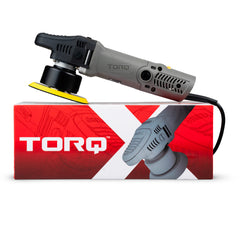
How a machine moves affects how quickly pads load up and wear. Choosing the Right Polisher breaks down OPM and RPM, power, throw, backing plate diameter, and ergonomics, so you can decide when a dual-action or rotary makes more sense for your skills and paint.

Final Thoughts
Clean pads cut better, finish smoother, and make every correction session more predictable from the very first pass. At Chemical Guys, we offer pad cleaners, pad conditioners, Hex-Logic pads, and polishing kits built to work together, and we believe car care should be effective, approachable, and repeatable.
Compare your current pad care habits honestly with this routine, then choose the cleaning setup that keeps your pads performing like new longer.
Frequently Asked Questions About How To Clean Polishing Pads
Can I put polishing pads in a washing machine?
Hand washing is the gentler choice. Agitation and heat in a washing machine can damage foam and backing, so a sink or pad cleaning machine works better.
How should I store clean polishing pads?
Keep fully dry pads in a clean, closed bin or bag, away from dust and garage grit, so they stay ready for the next session.
Is it okay to leave pads soaking overnight?
Avoid long soaks. Extended time underwater can weaken the bond between the foam and the hook-and-loop backing, shortening pad life.
Should I use the same pad for compound and polish?
Keep separate pads for each stage. Using one pad for both mixes abrasives and makes it harder to achieve a refined, swirl-free finish.
How do I know when a polishing pad is worn out?
Replace a pad when the foam tears, loses its shape, separates from the backing, or no longer cuts the way it did when new.
What size does our pad cleaner come in?
Our Polishing Pad Cleaner comes in a 16 oz spray bottle, ready to use straight from the trigger after a quick shake.