| Latest Innovations | |
| Chemical Guys News | |
| Exterior How-To's | |
| Interior How-To's | |
| Drying How-To's | |
| Ceramic How-To's | |
| Detailing University |

Key Takeaways:
- Process Over Products: Professional detailing relies on order, technique, and consistency more than on excessive product use.
- Systems Simplify Detailing: Using kits and dedicated tools helps reduce mistakes and supports a smoother detailing workflow.
- Maintenance Preserves Results: Regular upkeep keeps professional-level results looking fresh without having to start over each time.
Have you ever stepped back after cleaning your vehicle and felt like something was still missing? The paint might be clean, the interior might be tidy, yet the overall finish does not quite match that polished, professional look you were aiming for. That gap often comes down to process, not effort.
At Chemical Guys, we approach detailing as a system built on consistency and intention. Our kits and products are designed to help recreate professional workflows at home, using the same order and techniques that experienced detailers rely on every day. We focus on making car care approachable without stripping away the steps that actually matter.
In this guide, we’ll break down how to detail a car like a professional from start to finish. You will learn how to structure each stage, use the right tools in the right order, and maintain results long after the detail is complete. The goal is not perfection in one session, but confidence, control, and results you can repeat.
What Professional Car Detailing Really Means
Professional detailing is often misunderstood as simply a more thorough wash. In reality, it is a structured process focused on cleaning, refining, and protecting every surface with intention. Knowing what separates detailing from basic washing helps set expectations and creates a clearer path for anyone learning how to detail a car properly.
The Difference Between Washing And Detailing
Washing removes surface dirt. Detailing goes further by addressing buildup, residue, and wear across both exterior and interior surfaces. It is about restoring clarity, cleanliness, and protection rather than just rinsing away grime.
What Professionals Focus On First
Professionals prioritize order and technique before speed. They work from the cleanest steps to the dirtiest, use dedicated tools for specific areas, and inspect results at every stage. This mindset is central to any solid car detailing guide.
Why Process Matters More Than Products
Products matter, but process determines results. Using the right steps in the right order reduces rework, prevents cross-contamination, and protects surfaces from unnecessary wear. This approach defines true professional car detailing steps.
Setting Realistic DIY Expectations
Detailing like a professional does not mean chasing perfection in one session. It means improving the condition safely and consistently. Understanding limits helps avoid overworking paint or rushing interior surfaces.
Drying As A Critical Step
Drying is often overlooked, yet it plays a major role in preventing water spots and surface marring. Using proper drying techniques keeps freshly cleaned surfaces from being compromised. Our How to Properly Dry Your Car guide breaks down methods that support professional-level results and help preserve the work done during washing.
Professional detailing is built on discipline, patience, and repeatable habits. When the mindset is right, the results naturally follow.

Tools And Products Professionals Rely On
Professional detailing is not about using dozens of random products. It is about having the right tools for each step and knowing how they work together. When learning how to detail a car at a higher level, organization and consistency matter just as much as technique.
Why Systems Matter More Than Singles
Professionals rely on systems rather than standalone products. Kit's group cleaners, protectants, towels, and applicators are designed to work together. This removes guesswork and supports a more efficient workflow, which is essential for complete car detailing.
Matching Tools To Each Surface
Different surfaces require different tools. Paint, wheels, glass, interior plastics, and upholstery all respond best to cleaning products and accessories designed specifically for them. Matching tools to tasks reduces the risk of damage and improves overall results.
Interior And Exterior Essentials
A balanced setup covers both interior and exterior needs. Exterior tools focus on washing, drying, and protection, while interior tools address dust, stains, and surface care. Having both sides covered keeps the detailing consistent from start to finish.
Reducing Mistakes Through Preparation
Using the right tools helps prevent common detailing mistakes, such as cross-contamination or overworking surfaces. This preparation-first mindset is a core part of any effective auto detailing tutorial and mirrors how professionals maintain control during every step.
Simplifying The Process With Kits
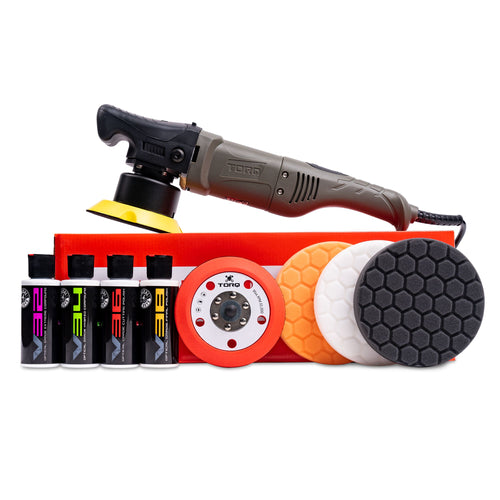
Detailing kits are built to streamline the process for DIY users. They combine essential tools into a single setup, making it easier to follow professional workflows at home. Exploring our Detailing Kits collection helps simplify tool selection and supports a structured approach without unnecessary complexity.
When tools and products are chosen intentionally, detailing becomes more predictable, efficient, and easier to repeat with consistent results.
Step-By-Step Professional Detailing Process
Detailing like a professional comes down to following a deliberate order. Each step builds on the one before it, reducing rework and helping surfaces look cleaner, stay protected, and age better over time. This structured workflow is how we approach DIY car detailing without cutting corners.
Step 1: Begin With A Thorough Exterior Wash
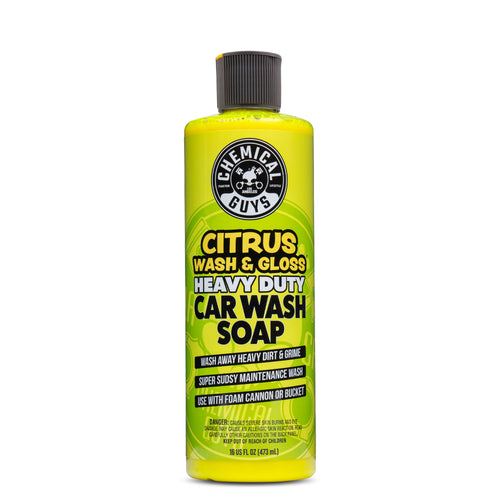
Start by washing the exterior to remove loose dirt, dust, and road film. This initial wash creates a clean foundation and prevents debris from interfering with later steps. Taking your time here reduces the risk of dragging contaminants across the paint during drying or protection stages.
Step 2: Dry The Vehicle With Control
Drying is not just cleanup; it is surface protection. Use proper towels and light pressure to remove water without leaving spots or streaks. Controlled drying helps preserve paint condition and keeps freshly cleaned surfaces from being compromised.
Step 3: Clean Wheels, Tires, And Lower Panels
Wheels and lower panels collect heavier grime than painted surfaces. Addressing them after the main wash allows you to focus on brake dust and buildup without transferring contamination back to cleaner areas. Dedicated tools help keep this step isolated and effective.
Step 4: Detail The Interior From Top To Bottom
Interior detailing works best when done methodically. Start with dusting and vacuuming, then move to surfaces like dashboards, trim, and seats. Working top to bottom prevents debris from resettling and keeps results consistent throughout the cabin.
Step 5: Refine And Protect The Paint
Once surfaces are clean, protection helps lock in results. Applying wax adds gloss and creates a barrier that makes future washing easier. For deeper guidance on this stage, our How to Wax Your Car resource breaks down timing and technique in detail.
Step 6: Inspect And Touch Up
Finish by inspecting the vehicle under different lighting. Look for missed spots, residue, or streaks and address them immediately. This final check brings all the details together and ensures a polished, professional appearance.
Following a professional-style process keeps detailing efficient and controlled. When each step has a purpose and a place, results become more consistent and easier to maintain over time.

Common Detailing Mistakes To Avoid
Even with the right products and intentions, small mistakes can undo hours of work. Professional results come from avoiding shortcuts and maintaining control at every stage of the process.
- Skipping Steps In The Process: Rushing through or skipping stages like drying or protection can lead to uneven results and reduce the effectiveness of the entire detail.
- Using One Towel For Everything: Reusing the same towel across multiple surfaces increases the risk of cross-contamination and surface damage.
- Applying Too Much Product: More product does not improve results. Overuse can cause streaking, buildup, and unnecessary cleanup.
- Working Out Of Order: Detailing out of sequence leads to rework and contamination. Following a structured flow keeps results consistent and efficient.
- Overworking Sensitive Surfaces: Applying too much pressure or repeated passes can wear down paint, trim, or interior materials.
- Ignoring Environmental Conditions: Wind, dust, heat, and direct sunlight can all interfere with detailing steps and affect final results.
Avoiding these mistakes helps keep detailing controlled, protects surfaces, and ensures the time you invest delivers consistent, professional-looking results.
How To Maintain Professional-Level Results
A professional detail does not stay perfect on its own. Maintenance is about preserving the work you have already done, so surfaces stay cleaner, protected, and easier to manage over time. With the right habits, maintaining results becomes simpler and far less time-consuming than starting from scratch.
Build A Simple Maintenance Routine
A consistent routine keeps dirt and wear from building up. Regular exterior washes, light interior cleanups, and quick visual inspections help control grime before it becomes embedded. Keeping maintenance simple makes it easier to stay on schedule without feeling overwhelmed.
Wash And Dry With Care
Post-detail washing technique matters just as much as the initial wash. Using gentle methods, clean wash media, and proper drying towels helps prevent swirl marks and water spots that can undo previous work. Careful drying protects freshly detailed surfaces from unnecessary marring.
Protect Surfaces After Detailing
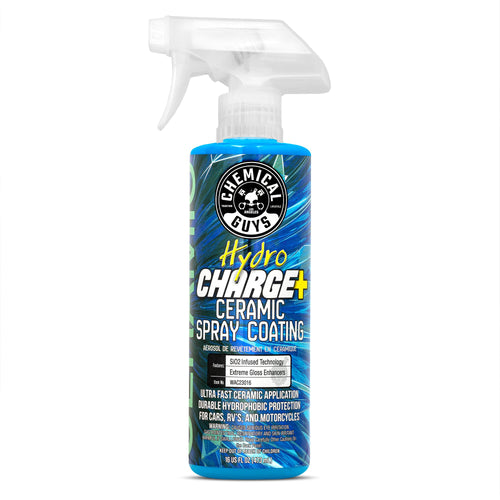
Protective layers help extend the life of a detail. Waxed paint sheds dirt more easily, interior protectants slow down wear, and treated trim resists fading. These protections reduce the need for heavy cleaning and speed up routine upkeep.
Address Small Issues Early
Minor dust, spills, or light buildup are easier to manage when addressed quickly. Spot cleaning prevents stains and residue from setting in, helping surfaces maintain a fresh look between full detailing sessions.
Stay Consistent Over Time
Professional-level results are achieved through repetition, not one-time effort. Maintaining a regular schedule, even with shorter sessions, helps preserve appearance and reduces the need for aggressive correction later.
When maintenance becomes part of regular care, detailing shifts from a major project to an ongoing process. Consistency keeps results looking sharp, surfaces protected, and effort manageable long term.

Final Thoughts
Detailing like a professional is less about chasing perfection and more about following a process that makes sense. When each step has a purpose, the work feels more controlled, the results last longer, and maintaining your vehicle becomes far less overwhelming.
At Chemical Guys, we build detailing kits and systems to support that exact approach. By combining the right tools, cleaners, and protectants, our offerings are designed to help anyone detail with confidence and consistency, whether you are tackling a full detail or maintaining results between sessions. That philosophy reflects our belief that car care should be effective, approachable, and rewarding.
When you focus on good habits instead of shortcuts, results take care of themselves. Stick to the process, use products designed to work together, and enjoy the satisfaction of a vehicle that looks cared for every time you step back and take a look.
Frequently Asked Questions About How To Detail A Car
What is the difference between washing and detailing a car?
Washing removes surface dirt, while detailing focuses on cleaning, refining, and protecting all surfaces to improve appearance and maintain long-term condition.
Can I detail my car like a professional at home?
Yes, following a structured process and using proper tools allows DIY users to achieve professional-level results with patience and consistency.
How long does a full car detail take?
Time varies based on vehicle size and condition, but a complete detail can take several hours when done carefully and without rushing.
Do I need special tools to detail a car?
Using dedicated tools for different surfaces helps reduce mistakes and improve results, but detailing does not require professional-only equipment.
How often should I fully detail my car?
Many drivers perform full details a few times per year, with lighter maintenance sessions in between to preserve results.
Are detailing kits good for beginners?
Detailing kits simplify the process by grouping essential products together, making them ideal for beginners learning proper workflows.
Does detailing help protect my car over time?
Yes, detailing helps protect surfaces by removing buildup and adding protective layers that reduce wear and make future cleaning easier.
What is the most important step in detailing?
Following the correct order is critical. Each step builds on the last, helping prevent rework and ensuring consistent, professional-looking results.