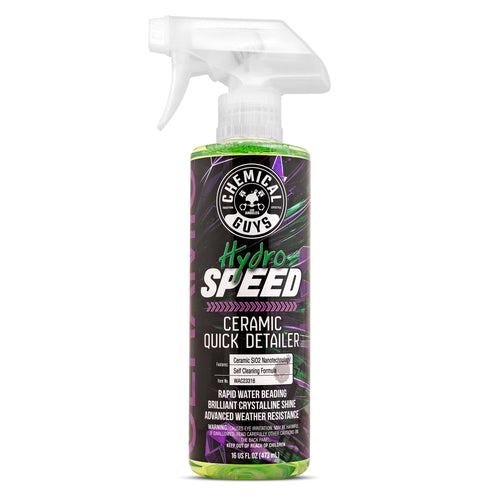
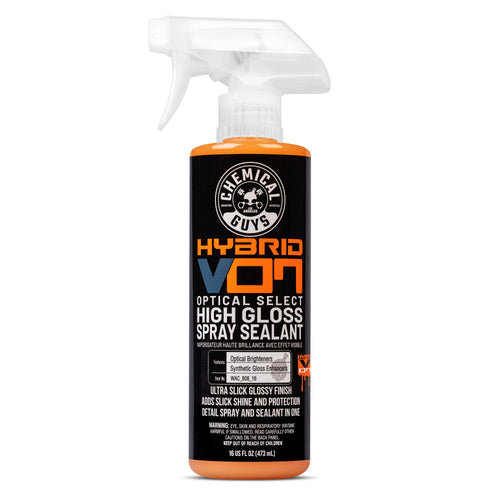
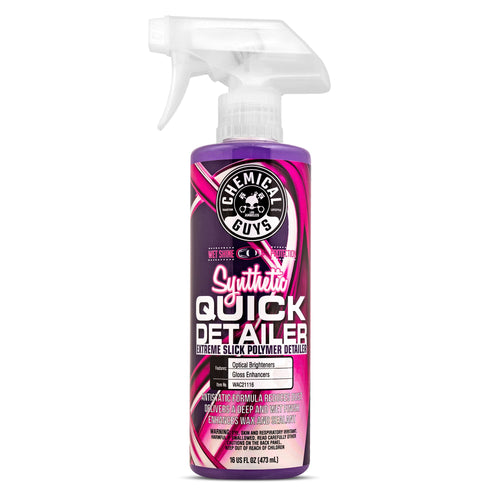
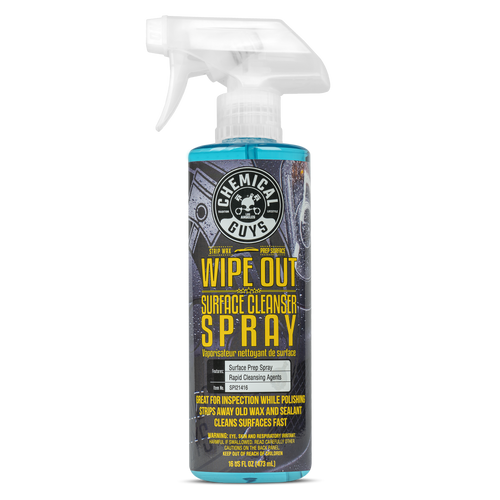
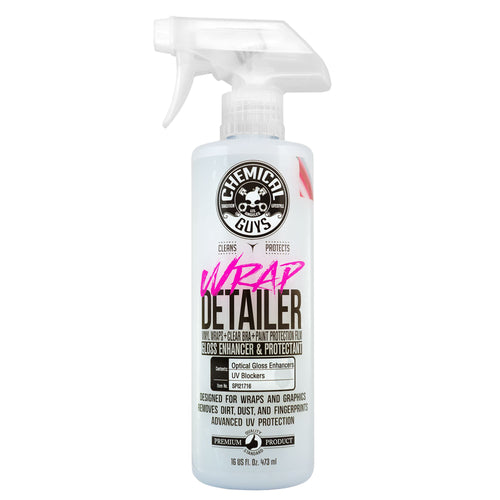
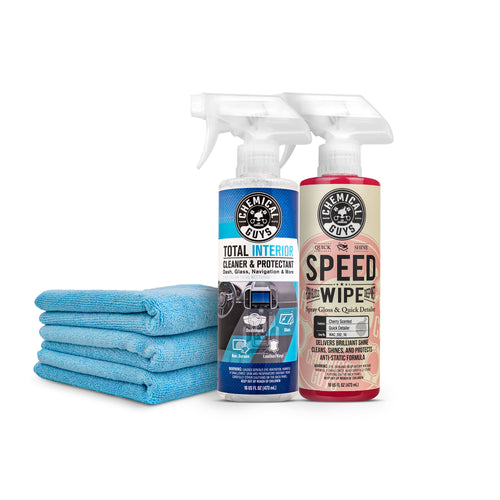
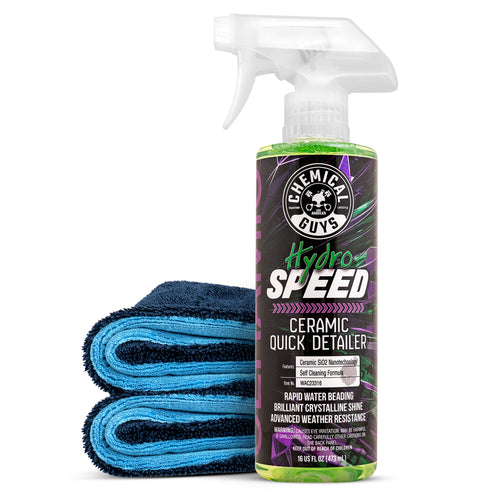
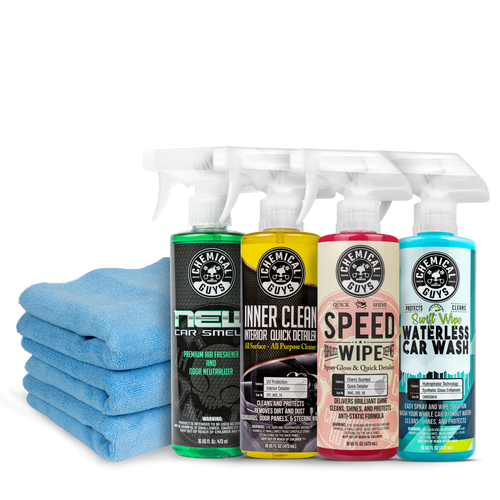
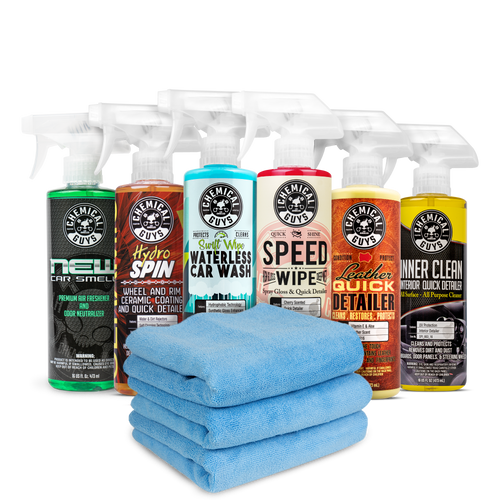
Quick detailer sprays are designed to solve a specific problem: removing light contamination safely when a full wash is not needed. Dust, fingerprints, and fresh road film may look harmless, but wiping them without proper lubrication can cause unnecessary marring. That is why we formulate our detailers to work with the surface, not against it, making quick maintenance both effective and controlled.
Safely Lifting Dust And Fingerprints
Light contamination sits on top of the surface rather than bonding deeply. Our sprays surround those particles with lubrication, allowing them to glide away during wiping instead of being dragged across paint. This approach helps reduce the risk of fine scratches during touch-ups.
Lubrication And Surface Safety
Lubrication is the foundation of safe, quick detailing. A quality car detail spray creates a slick layer between your towel and the surface, which is especially important on darker colors where imperfections are more noticeable. That added slip gives you better control with every pass.
Spray Wax Vs. Traditional Detailers
Some detailers focus purely on cleaning and gloss, while a spray wax detailer adds a light layer of protection at the same time. These formulas are useful when you want to boost shine and add short-term protection without committing to a full wax or sealant application.
Why Proper Technique Matters
Even the right product can fall short if the technique is rushed. Using clean microfiber towels, working panel by panel, and flipping towels often all help maximize results while keeping surfaces safe. The process matters just as much as the product itself.
Learning The Right Way To Use Them
Quick detailing works best when it follows a clear method. If you want a step-by-step breakdown straight from us, our How to Use Quick Detailer guide walks through proper application, towel choice, and timing so you can get consistent results every time without overthinking the process.
Choosing The Right Quick Detailer Spray For Your Needs
Not every vehicle, surface, or situation calls for the same type of detailer. Choosing the right quick detailer spray comes down to understanding how and where you plan to use it. When the product aligns with your routine, quick detailing feels like a natural extension of your wash process rather than a workaround.
Daily Drivers Vs. Weekend Vehicles
Daily drivers tend to accumulate more frequent light contamination, such as dust, fingerprints, and fresh road film. A traditional detailer works well for regular touch-ups, while weekend or garage-kept vehicles may benefit from gloss-focused formulas used less often but with more visual impact.
Indoor Vs. Outdoor Use
Detailing in a garage offers greater control, while outdoor use introduces variables such as sunlight and dust. Choosing a spray designed to wipe clean without streaking helps maintain results wherever you are working.
When Waterless Options Make Sense
In situations where running water is not available, a waterless detailer spray becomes a practical option. These formulas are designed to lift and encapsulate light dirt safely while minimizing mess, making them useful for apartment living, travel, or quick maintenance in tight spaces.
Convenience And Storage Considerations
Quick detailers are often kept within reach for a reason. Compact bottles and a simple application make them easy to store in a trunk or on a garage shelf, encouraging more frequent use and better overall upkeep.
Matching The Spray To Conditions
The key is matching the product to the level of contamination. Quick detailers are best for light dust and surface residue, while heavier grime requires a different approach. If you are deciding between quick detailing and waterless washing, our Best Waterless Wash guide helps explain when each option makes the most sense, so you can choose confidently and maintain your vehicle without risking surface damage.
How To Use A Quick Detailer Spray The Right Way
Quick detailer sprays are designed to make maintenance faster, but results still depend on how you use them. A simple, repeatable process helps you clean safely, avoid streaks, and get the most out of every wipe-down. When used with intention, quick detailing becomes a reliable part of your routine instead of a rushed fix.
Start With The Right Surface
Quick detailers work best on lightly soiled surfaces. Before spraying, make sure there is no heavy dirt, grit, or mud present. If the surface feels gritty, a proper wash or rinse is the safer option.
Choose The Correct Towel
Clean microfiber towels are essential. A soft, plush towel provides the lubrication needed to trap light dust and residue without dragging it across the surface. Always start with a clean towel and keep extras nearby.
Use A Controlled Spray Pattern
Lightly mist the product onto the surface or directly onto the towel, depending on conditions. Using too much product can lead to streaking, while too little may reduce lubrication. A balanced application keeps wiping smoothly and predictably.
Wipe Gently And Flip Often
Use light pressure and work in straight lines rather than circular motions. Flip the towel frequently to a clean side so lifted contamination does not get reintroduced onto the surface during the process.
Finish With A Final Buff
After the initial wipe, use a dry side of the towel to gently buff the surface. This removes any remaining residue and enhances clarity, leaving paint looking clean and refreshed.
Long-Term Benefits Of Using Quick Detailer Sprays
Using quick detailer sprays consistently delivers benefits that go beyond short-term shine. Over time, these small maintenance steps help simplify care, improve results, and keep your routine easy to maintain.
- Fresher Paint Appearance: Regular quick detailing removes light dust and residue before it dulls the surface, helping paint maintain a cleaner, more refined look between washes.
- Less Contamination Buildup: Addressing light grime early reduces the chance of contaminants bonding to the surface, making future cleanings faster and less demanding.
- Faster In-Between Maintenance: Quick detailers allow for fast touch-ups when time is limited, helping maintain a clean appearance without committing to a full wash.
- Support For Existing Protection: Using detailer sprays helps preserve the slickness and appearance of waxes or sealants, extending their effectiveness between full applications.
- More Consistent Results: Incorporating quick detailing into your routine builds consistency, making vehicle care feel more predictable and manageable rather than sporadic or overwhelming.
By making quick detailing part of your regular routine, maintenance stays efficient, surfaces stay cleaner, and long-term care becomes easier to maintain.