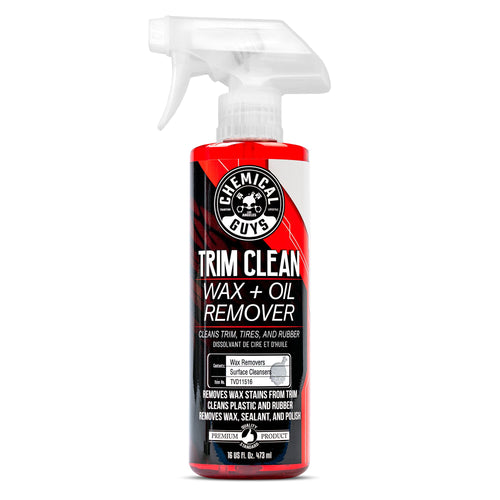
Skipping proper degreasing might save a few minutes, but it can cost you in the long run. Contamination left on the surface affects how products perform and how long they last. If you want professional-level results, this is one step you do not want to ignore:
Protection Fails Prematurely
Applying a sealant or coating over leftover oils or old protection prevents proper bonding. The product may initially look great, but durability drops significantly because it is not anchored to clean, painted surfaces. This can lead to reduced hydrophobic behavior, uneven wear, and protection that fades much sooner than expected.
Hidden Imperfections Reappear
Polishing oils can temporarily fill and hide fine swirls or haze. Without removing those residues, you might think the paint correction is complete when it is not. Industry refinishing guides confirm that chemical cleaning with a wax and grease remover is what removes the contaminants a soap-and-water wash leaves behind. Once the oils naturally dissipate after a few washes, the imperfections resurface and undo the satisfaction of your hard work.
Paint And Coating Application Issues
When grease or silicone remains on the surface, coatings and paint products can react unpredictably. You may see streaking, smearing, or even small defects during refinishing. Taking the time to properly degrease ensures a clean foundation that supports smooth, even application from start to finish.
How To Use A Wax And Grease Remover For Best Results
Using a wax and grease remover correctly ensures you achieve the clean surface you aim for. The goal is to remove contamination without reintroducing it or leaving streaks behind. Follow these simple steps to prep your paint the right way:
Start With A Clean, Cool Surface
Always begin after thoroughly washing and drying the vehicle. The paint should be cool to the touch and out of direct sunlight to prevent premature evaporation. Applying your surface prep product to a properly cleaned surface ensures you remove embedded residues rather than spreading loose dirt.
Spray Onto A Microfiber Towel
Instead of spraying directly onto the panel, mist the product onto a clean microfiber towel. This gives you better control, prevents overspray, and helps evenly distribute the solution across the surface. Wipe in straight, overlapping motions to gently lift oils, grease, and leftover protection.
Follow With A Second Dry Towel
After wiping the area, immediately follow with a separate dry microfiber towel to buff away any remaining residue. This two-towel method helps ensure contaminants are fully removed rather than redistributed. Work panel by panel so the surface remains clean and ready for polishing, sealing, or coating.
Choosing The Right Chemical Guys Product For The Job
Not all surface prep products are created equal, and choosing the right one makes a big difference in your results. At Chemical Guys, we design products with specific goals in mind so you get exactly what you need without overcomplicating the process. Here is how to pick the right solution for your detailing project:
Clean Slate Surface Cleanser Wash
If you are stripping old protection during the wash stage, Clean Slate Surface Cleanser Wash is your go-to option. This powerful wash is formulated to break down heavy waxes, sealants, and road grime, and our guide on how to remove car wax walks through the full process, making it an ideal prep step before polishing or applying new protection. It works as a dedicated wax remover during your wash process, helping reset the surface before you move on to more detailed prep.
Wipe Out Surface Cleanser Spray
For targeted panel prep after polishing, Wipe Out Surface Cleanser Spray is designed to remove oils, residue, and contaminants from the paint. It acts as a professional-grade wax and grease remover, leaving the surface completely clean and ready for ceramic coatings, sealants, or paint protection film. Use it as your final inspection wipe down to ensure nothing stands between your protection and the paint.
Pairing With The Right Towels And Tools
Even the best product performs better with the right accessories. We recommend using high-quality microfiber towels like our Professional Grade Microfiber Towels to safely lift and trap contaminants without scratching the surface. Pairing the correct prep product with proper tools ensures your surface is truly clean and ready for whatever comes next.
Pro Tips For A Clean, Residue-Free Finish
Getting a truly clean surface takes more than a quick wipe-down. Small adjustments in technique can make a noticeable difference in how your protection bonds and performs. If you want your prep work to look dialed in and professional, keep these tips in mind:
Work In Controlled Sections
Focus on one panel or half a panel at a time, rather than spraying the entire vehicle at once. This prevents the product from flashing too quickly and lets you thoroughly wipe away contamination before it dries. Controlled sections help ensure every inch of paint gets the attention it deserves.
Use Fresh, Quality Microfiber Towels
A saturated or dirty towel can redeposit oils and grime back onto the surface. Keep multiple clean microfiber towels on hand and switch them out as soon as they become damp or loaded with residue. Quality towels paired with the right prep product make a noticeable difference in achieving a streak-free finish.
Inspect Under Proper Lighting
Good lighting reveals what your eyes might miss in the shade or a dim garage. After wiping down the surface, check your work under bright overhead lights or natural sunlight to confirm there is no smearing or leftover residue. This final inspection step ensures your paint is fully prepped and ready for polishing, sealing, or coating.