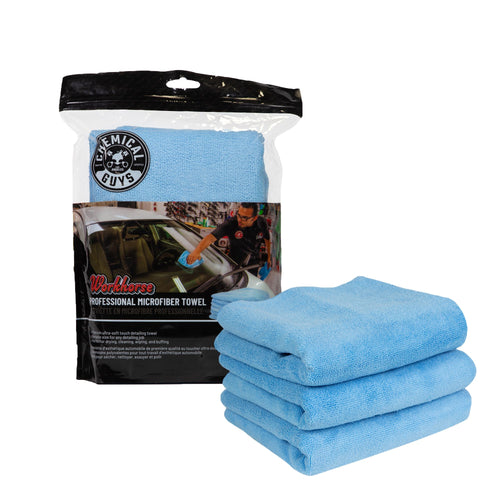
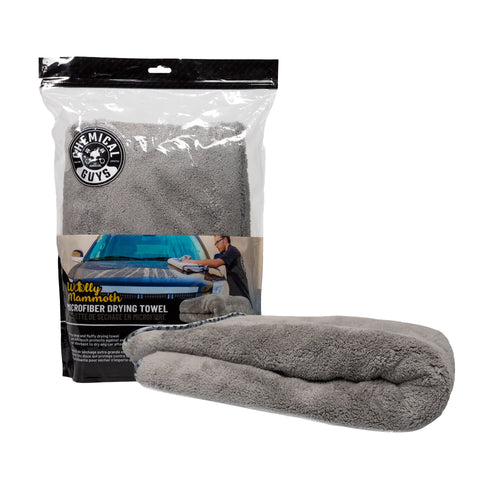
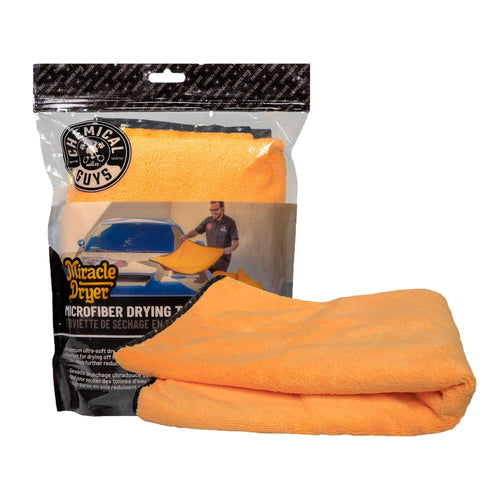
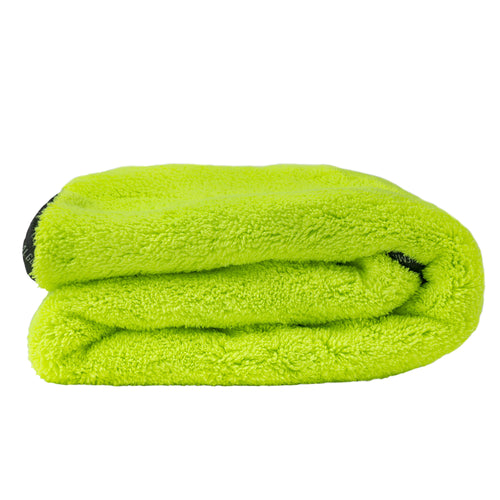
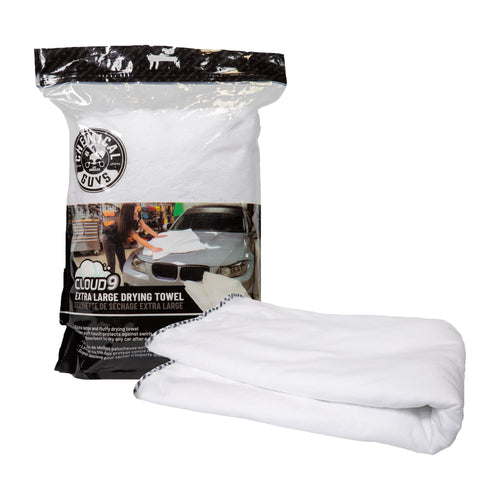
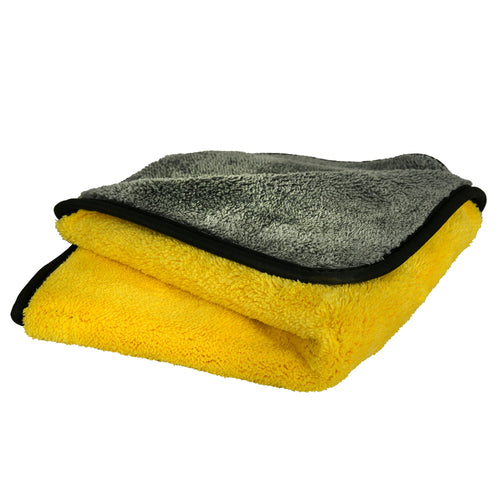
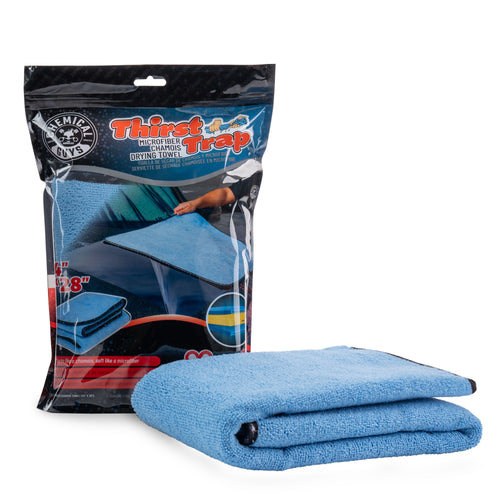
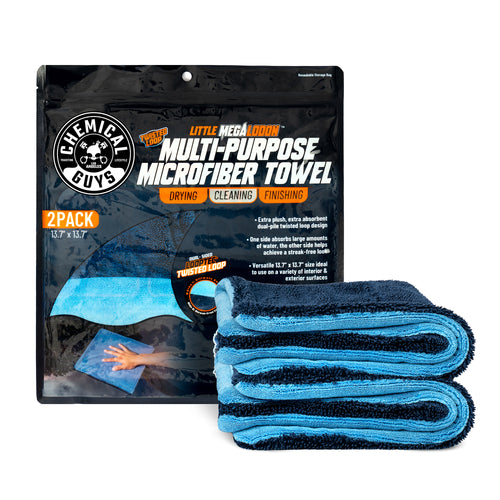
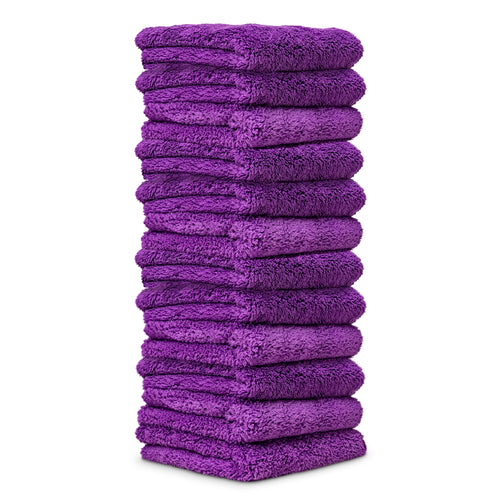
The reason a drying towel performs well has everything to do with how it manages water at the surface. Microfiber is designed to quickly capture and hold moisture, reducing the need for repeated wiping and helping protect the finish during drying. When the towel is doing the work, drying feels smoother and far more controlled.
How Microfiber Traps Water
Microfiber is made up of extremely fine fibers that create millions of tiny pockets. These pockets pull water away from the surface and lock it into the towel instead of pushing it around. This structure allows a towel to absorb water rapidly while maintaining a light touch on paint.
Thickness And Pile Density
Thicker towels with a higher pile hold more water before becoming saturated. That extra capacity lets you dry larger sections without constantly switching towels, keeping the process efficient and reducing unnecessary contact with the surface.
Waffle Weave Vs. Plush Towels
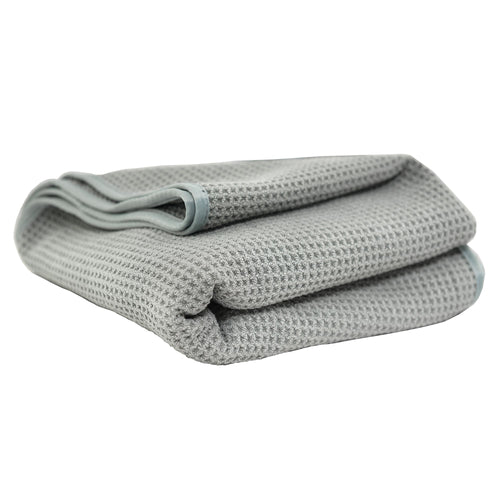
Different weaves are designed for different preferences. A waffle weave drying towel uses a textured pattern to channel water away quickly, making it a popular choice for controlled drying. Plush towels rely on dense fibers to soak up water, offering a softer feel during use. Both approaches work when matched to the right technique.
When Absorbency Matters Most
Absorbency becomes critical after rinsing, when water is sitting across panels, trim, and glass. A super absorbent drying towel helps remove that water in fewer passes, limiting streaks and reducing the risk of water spots forming as droplets evaporate.
Choosing The Right Towel Design
Drying towels come in multiple sizes, weaves, and thicknesses to match different routines. Exploring our Drying Towels Collection makes it easier to find a towel that fits how you wash and dry, whether you prefer controlled glide drying or gentle blotting for maximum surface safety.
Choosing The Right Microfiber Drying Towel For Your Routine
Not every drying towel works the same way for every vehicle or wash style. Choosing the right microfiber drying towel comes down to understanding your routine, your vehicle size, and how you prefer to dry. When the towel matches your habits, drying becomes faster, safer, and far more consistent.
Vehicle Size And Surface Area
Larger vehicles naturally hold more water after rinsing. Trucks, SUVs, and vans benefit from towels with higher absorbency and surface coverage, allowing you to dry more area before the towel becomes saturated. Smaller vehicles may not require as much capacity, but absorbency still matters for clean results.
Single Towel Vs. Multiple Towels
Some prefer using one large towel for the entire vehicle, while others rotate multiple towels to maintain consistent absorption. A large microfiber towel can handle most of the job on its own, while a multi-towel approach gives you more control as each towel stays lighter and easier to manage.
Storage And Drying Habits
How you store and care for towels impacts performance over time. Towels that are properly washed, dried, and stored maintain their absorbency longer and stay softer against surfaces. Building good habits around towel care helps preserve results wash after wash.
Drying Technique Preference
Some drivers prefer blot drying, gently placing the towel on the surface and lifting water away. Others prefer glide drying, guiding the towel smoothly across panels. Matching towel thickness and size to your technique makes the process feel more natural and reduces the need for pressure.
Matching Towels To Long-Term Use
Drying towels is an investment in surface care. Choosing the right towel upfront helps protect finishes and makes maintenance easier over time. To keep towels performing as intended, our Microfiber Care Guide walks through proper washing, drying, and storage practices that help extend towel lifespan and maintain absorbency without compromising surface safety.
Long-Term Benefits Of Using The Right Microfiber Drying Towel
The real value of a quality drying towel shows up over time. Consistent use, paired with proper care, helps maintain surface quality, improves efficiency, and keeps towels performing the way they should wash after wash.
Fewer Water Spots With Better Coverage
High-absorbency towels are designed to pull water away quickly before minerals have time to settle. Kits like the Dry All Towel Kit make it easier to manage larger surface areas without chasing leftover drips.
Reduced Wear On Paint And Surfaces
When a towel absorbs water instead of dragging it across the surface, friction stays low. That reduced contact helps limit towel marks and supports safer long-term maintenance on paint and exterior finishes.
Faster Drying With Fewer Towels
Using towels designed specifically for drying means fewer passes and fewer towel swaps. This keeps post-wash drying efficient and helps maintain a steady workflow without rushing or overworking saturated towels.
More Predictable Results Every Wash
Sticking with the same towel type and drying method builds consistency. Knowing how your towels perform lets you dry confidently, panel by panel, without adjusting your technique each time.
Preserving Towel Performance Through Proper Care
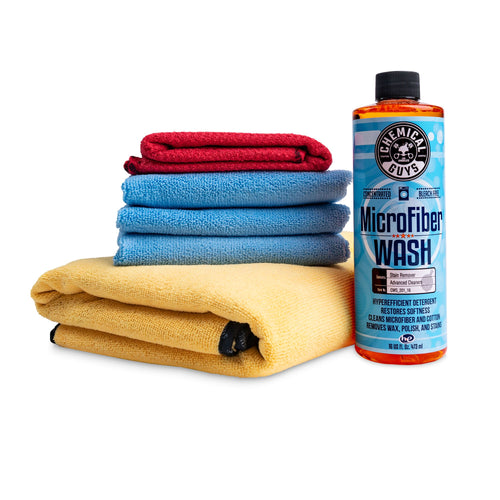
How towels are washed matters. Using a dedicated cleaner like our Microfiber Wash helps maintain absorbency, softness, and fiber structure, extending the lifespan of towels and keeping drying performance consistent over time. When the right towels are paired with the right care, drying becomes easier, results stay consistent, and long-term maintenance feels far more manageable after every wash.
How To Dry Your Vehicle With A Microfiber Drying Towel
Drying works best when it follows a simple, repeatable flow. Turning the process into clear steps helps manage water safely, reduce friction, and lock in the results of your wash.
- Rinse Completely First: Make sure all soap residue is fully rinsed away so the towel can absorb water efficiently without leaving streaks or dragging leftover suds across the surface.
- Start From The Top: Begin on the roof and work downward, allowing gravity to work in your favor and preventing runoff from dripping onto areas you have already dried.
- Use Light Pressure Only: Let the towel do the work with gentle patting or smooth gliding motions, keeping pressure minimal to reduce friction and protect exterior surfaces.
- Monitor Towel Saturation: As the towel fills with water, absorption slows. Switching towels or wringing them out keeps drying effectively and prevents pushing water around.
- Check Hidden Areas Last: Finish by inspecting mirrors, trim, badges, and body lines where water tends to collect, addressing drips early to avoid water spots later.
Following a structured drying approach keeps the process efficient, controlled, and easier to repeat every time you wash.