Iron contamination is not always obvious, but your vehicle will give you clues if you know what to look for. Paying attention to how your paint feels and looks can help you catch the issue early. Here are the most common signs that it is time for a car iron remover treatment:
Rough Or Gritty Paint After Washing
If your paint feels rough to the touch even after a thorough wash, that is a red flag. Those tiny bumps you feel are often bonded contaminants embedded in the clear coat. Running your hand gently across the surface inside a clean plastic bag can make the texture even more noticeable, revealing just how much hidden contamination is present.
Small Orange Or Brown Specks
Notice tiny rust-colored dots on white or light-colored paint? Those are often iron particles that have oxidized on the surface. Left untreated, they can spread and create permanent staining that requires car paint correction to remove.
Dullness That Will Not Go Away
If your paint lacks clarity and gloss even after washing and waxing, contamination could be the culprit. Embedded iron interferes with how light reflects off the surface, muting the shine. Removing those particles restores smoothness and helps your wax, sealant, or ceramic protection bond properly, resulting in maximum gloss and durability. Residual iron contamination interferes with the adhesion of protective coatings, reducing their durability and overall performance from the moment of application.
How To Use An Iron Remover Car Product The Right Way
Using the right technique makes all the difference in getting the most out of your decontamination process. Iron removal is not complicated, but there is a smart order of operations that helps you get better results. Follow these steps to treat your paint and wheels properly:
Start With A Thorough Wash
Before applying any decontamination product, wash the vehicle to remove loose dirt and grime. We recommend starting with a high-quality shampoo like our Mr. Pink Super Suds Car Wash to create a clean surface. This prevents dragging dirt across the paint and allows the product to target bonded iron particles directly rather than surface debris.
Apply The Product To Cool, Dry Surfaces
Always work in the shade on a cool surface. Spray your iron remover evenly across the paint or wheels, focusing on lower panels and areas behind the wheels where contamination builds up the most. Allow it to dwell for a few minutes so it can react with embedded particles, and you will often see a color change as it breaks them down.
Rinse Thoroughly And Inspect
After the product has reacted, rinse the surface thoroughly with a strong stream of water. This flushes away dissolved contaminants and leftover residue. Once rinsed, feel the surface again to check for smoothness and decide whether a second application or clay treatment is needed before moving on to polishing or protection.
Why Chemical Guys Makes Iron Decontamination Simple
Iron removal should not feel intimidating or overly technical. We believe detailing is supposed to be satisfying, not stressful. That is why we focus on smart formulas and straightforward processes that help you get real results:
Purpose Built Formulas That Work
At Chemical Guys, we develop products designed to target specific problems without overcomplicating your routine. Our decontamination solutions are engineered to break down stubborn mineral deposits and bonded contamination safely on clear coat, wheels, and exterior surfaces. That means you can treat your vehicle properly without adding unnecessary steps or reaching for products that aren't designed for the job.
Products That Fit Into Your Existing Routine
We know most people are not looking to spend all day detailing their car. Our approach is to create products that integrate seamlessly into a standard wash-and-prep process, so you can wash, decontaminate, and protect in a logical order. Whether you are prepping for polishing or getting ready to apply a ceramic coating, our lineup makes the transition seamless.
Education Backed By Real Detailers
We’re sharing decades of hands-on detailing experience. Through our YouTube channel and social media, we show you how to use each product properly so you feel confident tackling contamination on your own ride. Our goal is to make car care more approachable while still delivering the level of performance enthusiasts and pros expect.
Pro Tips For Getting The Best Results
Getting the most out of your decontamination process comes down to a few smart habits. Small adjustments in timing, environment, and follow-up care can dramatically improve your final results. Keep these pro tips in mind during your next iron removal service:
Work Panel By Panel
Instead of spraying the entire vehicle at once, focus on one section at a time. This gives you better control over dwell time and prevents the product from drying on the surface. It also allows you to visually monitor the reaction so you know when the contamination has been properly treated.
Follow With A Clay Bar If Needed
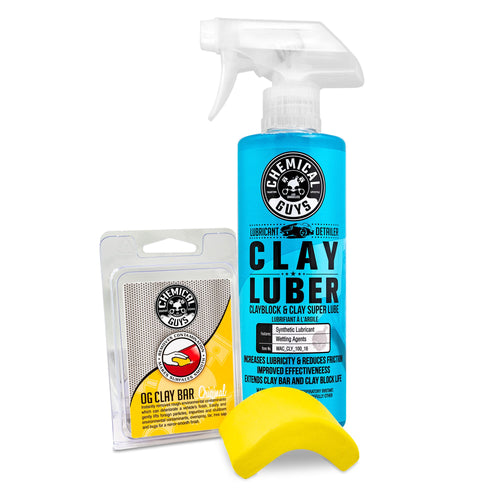
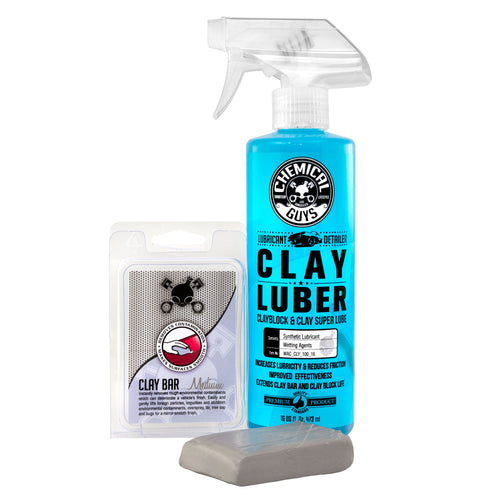
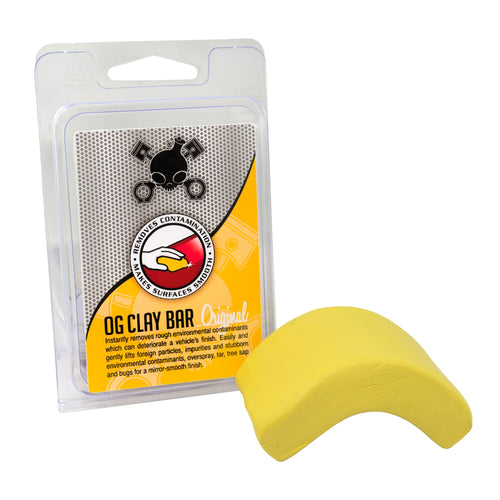
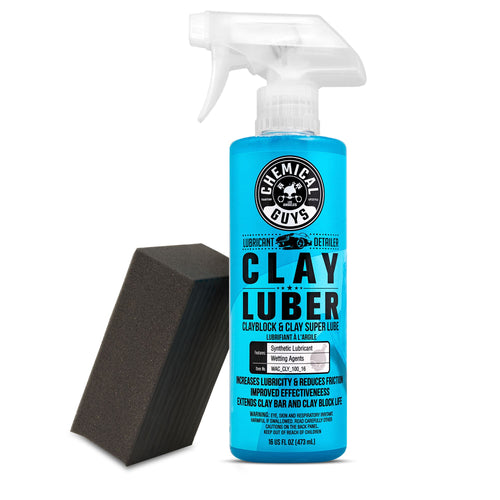
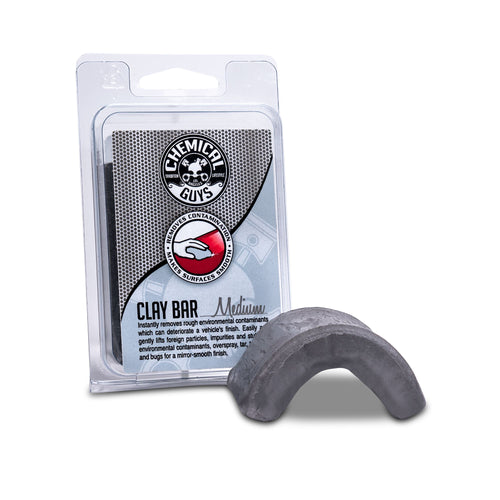
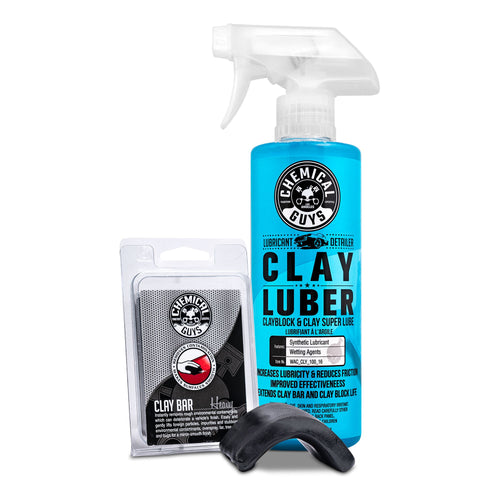
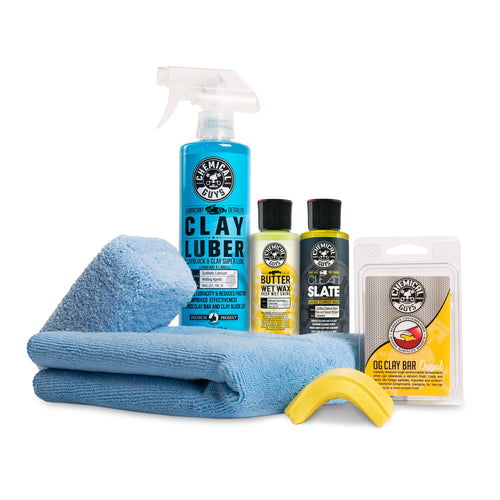
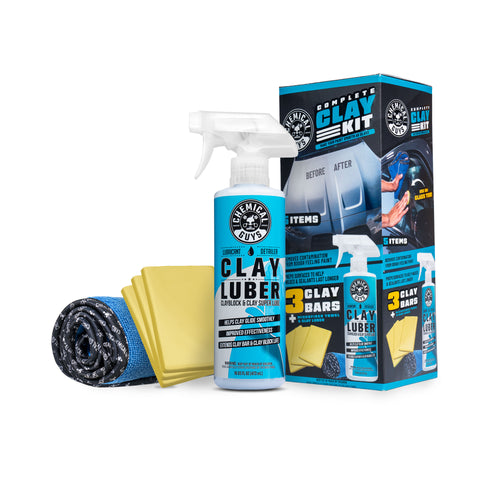
Iron removal targets embedded metal particles, but other contaminants, such as tree sap mist or overspray, may still remain. After rinsing, evaluate the surface. Our guide on how to clay your car covers the full process, and uses a clay bar with proper lubricant if it still feels rough. This combination creates an ultra-smooth foundation that is ready for polishing or long-term protection.
Always Protect After Decontamination
Once contamination is removed, your paint is clean and fully exposed. Our breakdown of how to prep for ceramic coating starts right here. That’s the perfect time to apply a wax, sealant, or ceramic coating to lock in gloss and create a barrier against future buildup. Protecting the surface helps slow down new contamination and keeps your vehicle looking sharper between washes.