
Learn with Chemical Guys
Your comprehensive guide to vehicle detailing, catering to enthusiasts of all skill levels, from novices to seasoned pros. Dive into our expert-driven content and unlock the secrets to achieving that flawless finish for your ride.
Chemical Guys News
From live events to company milestones and community highlights, this is your go-to spot for all the latest happenings in the world of Chemical Guys.
-
 Why the Arsenal Builder Kits Keep Winning “Best Car Gift” AwardsCar wash kits show up in gift guides all the time — but very few keep earning top picks year after year. In 2025, editors from outlets like Car and Driver, MotorTrend, USA Today, and Road & Track consistently pointed to the Arsenal Builder Kits for one reason: they remove the guesswork. With thoughtfully matched tools, durable accessories, and everything needed to get started in one bucket, these kits made it easier for beginners — and more convenient for seasoned car lovers — to actually enjoy washing their cars at home.
 -
 Here's To All The Chemical Guys Drops in 20252025 has been a wild ride in the world of detailing—new kits, shiny toys, and some fan-favorite classics getting a glow-up. If you blinked, you might’ve missed a few must-have drops. From next-level polishers to slick ceramic coatings, Chemical Guys kept the car care game fresh all year long.
 -
 From the Garage to the Globe: 1 Million YouTube Subscribers!From a few how-to videos to a million-subscriber and counting movement—how’d that happen?! Well, click the blog and see for yourself.


Exterior How-to's
Get professional results with Chemical Guys' exterior detailing how-to's. Learn the tips, tricks and techniques for maintaining a flawless finish on your vehicle's exterior.
-
 RV Detailing: The Complete Guide To Cleaning Your RVChemical Guys shows you how to detail your RV with expert techniques, proper products, and professional results for lasting protection and shine.
 -
 Boat Detailing: How To Keep Your Boat Looking NewChemical Guys reveals boat detailing techniques for marine surfaces, proper protection methods, and maintenance schedules to preserve your vessel.
 -
 Swirl Marks On Car: What Causes Them And How To Remove ThemRemove swirl marks on car paint with Chemical Guys correction systems. Learn causes, removal techniques, and prevention methods for lasting results.
 -
 Ceramic Coating Maintenance: How To Keep Your Coating LastingMaster ceramic coating maintenance with Chemical Guys proven care system. Learn washing techniques, booster applications, and schedules to extend protection.


Interior How-to's
Discover the best techniques for maintaining a clean and pristine interior with Chemical Guys. Learn how to detail your car's interior like a pro with our step-by-step guides.
-
 Ozone Treatment For Cars: Does It Really Eliminate Odors?Chemical Guys explains ozone treatment for car odor removal, safety concerns, alternative solutions, and when enzymatic air fresheners work better.
 -
 Leather Car Seat Repair: How To Fix Tears, Cracks, And FadingFix leather car seat damage the right way with Chemical Guys and restore cracked, faded, and worn seats to a clean, supple finish.
 -
 Smoke Odor Removal: Eliminate Smoke Smell From Cars, Homes, And MoreChemical Guys' smoke odor removal guide covers proven methods to eliminate cigarette and other fire-smoke odors from cars, homes, and more.
 -
 How To Detail A Car Interior: The Complete Step-By-Step GuideChemical Guys breaks down car interior detailing with step-by-step tips, the right products, and pro techniques for a cleaner, fresher cabin.


Drying How-to's
Step up your car care game with expert techniques. Delve into our detailed guide on how to dry your car like a pro, preventing water spots and ensuring a flawless finish.
-
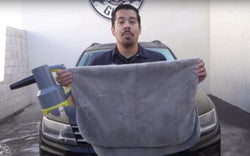 How to Dry Your Car: Detailers Tips & TechniquesMaster the art of drying your car with this comprehensive guide. Learn expert techniques and essential tools to achieve a spotless, streak-free finish that protects your vehicle's shine.
 -
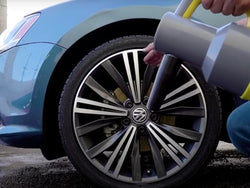 Fastest Way to Dry Your Car: How to Use a BlowerThe fastest way to dry your car is using the ProBlow Handheld Dryer & Blower. Achieve professional results and protect your vehicle from water spots and damage efficiently.
 -
Trending
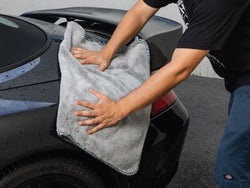 How to Properly Dry Your Car After WashingLearn effective techniques to dry your car after washing, preventing water spots and corrosion. Explore methods, tips, and answers to common car drying questions.
 -
 How to use the Microfiber Towel Workhorse Color Code SystemLearn to use Chemical Guys Workhorse Microfiber Towels effectively with a color-coded system for different detailing areas, and get essential tips for proper washing and maintenance to prolong their use.




Ceramic How-to's
Dive into our definitive guide on using ceramic cleaners for your car, ensuring unmatched protection, gloss, and durability.
-
 How To Ceramic Coat A Car (DIY Tutorial)Discover how to apply a ceramic coating to your car’s interior for lasting protection against UV rays, stains, and dirt. Follow our step-by-step guide for a showroom finish.
 -
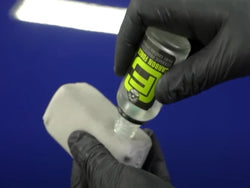 How to Apply Carbon Force Ceramic Coating for Long-Lasting ProtectionAchieve long-lasting protection, shine, and durability for your vehicle's paint with Carbon Force ceramic coating.
 -
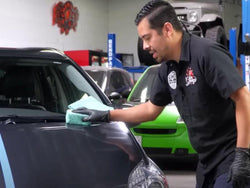 How to Apply Hydro Line Ceramic Coating for Instant Gloss and ProtectionUnlock the secrets of car detailing with step-by-step instructions for achieving a stunning shine and long-lasting protection for your vehicle's exterior.
 -
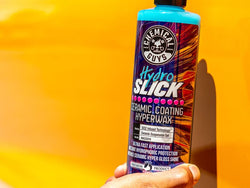 HydroSlick Frequently Asked Questions (FAQ)HydroSlick Ceramic HyperWax is the first product with the ease of use of a wax combined with the longevity, beading, slickness, and insane shine of a ceramic. Learn all about it in this FAQ.




Latest Innovations
Explore our new range of innovative car care products featuring the latest technology, from advanced cleaning solutions to protective coatings.
-
Trending
 Why Gel Can Air Fresheners Are Taking Over CarsYour car’s vibe might be off — and your air freshener could be the reason. Discover the compact Gel Cell air fresheners made to fit almost anywhere, dial in your perfect scent strength, and completely change the mood of every drive.
 -
 Meet the Suds That Do the Most: Why Maxi Suds II Is Your New Go-To WashMeet the suds that actually deliver—Maxi Suds II brings thick foam, safer washes, and a better shine every time.
 -
 Meet the 5-Minute Clean: The All-Exterior Cleaner for People Who Don’t Wash T...Skip the full wash. This all-in-one exterior cleaner lifts light dirt, boosts shine, and adds protection...no water or setup required!
 -
 Meet ClingShot: The Bug-Blasting, Tar-Tackling Foam That Actually SticksClingShot makes the toughest part of washing your car the easiest. It's thick, clinging foam sticks to baked-on bugs, tar, and grime, breaking them down before you ever touch the paint. That means less scrubbing, less risk of scratches, and a safer, smoother wash. Spray it on, let it dwell, and watch the mess give up.


Detailing University
Take your car detailing skills to the next level with Chemical Guys' hands-on training. Learn from the experts and gain the knowledge and techniques to achieve professional results.
-
 How to Clean Microfiber Towels the Right WayLearn the proper way to clean microfiber towels for optimal performance. Discover tips on sorting, washing, and drying to keep your towels soft and effective for car detailing.
 -
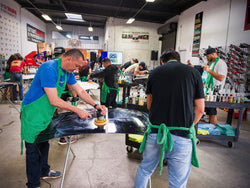 Smart Detailing University Hands on TrainingGain expert auto detailing skills at Smart Detailing University. Offering comprehensive courses for enthusiasts and aspiring professionals, SDU is your path to a successful detailing career.
 -
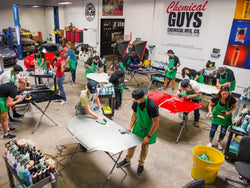 DIY Intro to Buffing and PolishingLearn pro polishing techniques in the Smart Detailing University class. Master using rotary/dual-action polishers and various paint technologies. Ideal for DIY enthusiasts and professionals.
 -
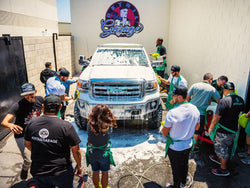 DIY Basics of DetailingMaster auto detailing with the 'DIY Basics of Detailing' class. Learn key techniques in a hands-on course, ideal for car enthusiasts and beginners.






